








Understanding commercial food processors is essential for any professional kitchen aiming to boost efficiency and consistency. In this comprehensive guide, we delve into the world of commercial food processors, exploring the various types of food processors available, their unique features, and how they compare to other equipment like blenders. If you’re a restaurant owner, chef, or kitchen manager, this food processor buying guide will equip you with the knowledge needed to make informed purchasing decisions and optimize your kitchen’s workflow.
Introduction: The Role of Commercial Food Processors
In the fast-paced environment of modern commercial kitchens, efficiency and precision are paramount. Commercial food processors play a crucial role in handling large volumes of food preparation tasks quickly and safely. They not only cut down on manual labor but also help maintain consistency in texture and flavor across batches. From chopping vegetables to processing meats and blending sauces, the right commercial food processors can transform your kitchen operations. This guide is designed to answer common questions such as, “What are the different types of food processors?” and “How do food processors compare to blenders?” By understanding these key points, you’ll be better equipped to choose the ideal equipment for your establishment.
Types of Commercial Food Processors
When it comes to commercial food processors, the variety can be overwhelming. The selection depends on the type of food processing required, volume of production, and specific kitchen needs. Here, we break down the primary types of food processors used in professional kitchens:
Batch Bowl Food Processors
Batch bowl food processors are designed to handle large quantities of ingredients all at once. They are perfect for restaurants that need to process significant volumes of food quickly. With a sizable bowl and powerful motor, these processors excel in tasks such as chopping, slicing, and blending.
Continuous Feed Food Processors
Unlike batch bowl models, continuous feed food processors allow ingredients to be fed continuously into the machine. This model is ideal for high-speed food processing in busy commercial kitchens where uninterrupted workflow is critical. It ensures smooth, consistent output and minimizes downtime.
Combination Food Processors
Combination food processors blend the features of batch bowl and continuous feed models. These versatile machines offer both high-volume processing and the flexibility of processing smaller batches, making them an excellent choice for kitchens that require a multifunctional appliance.
Buffalo Choppers & Vertical Cutter Mixers
Specialized models like buffalo choppers and vertical cutter mixers are designed for specific tasks such as chopping, mixing, and slicing tougher ingredients. These machines are built for heavy-duty operations, providing robust performance in commercial settings.
Food Processors vs. Blenders
A common question in the realm of commercial food processors is how they compare to blenders. While both are indispensable kitchen tools, their functions differ significantly:
- Commercial Food Processors are ideal for chopping, slicing, and processing large quantities of food. They come with various attachments, such as blades and discs, to perform multiple tasks.
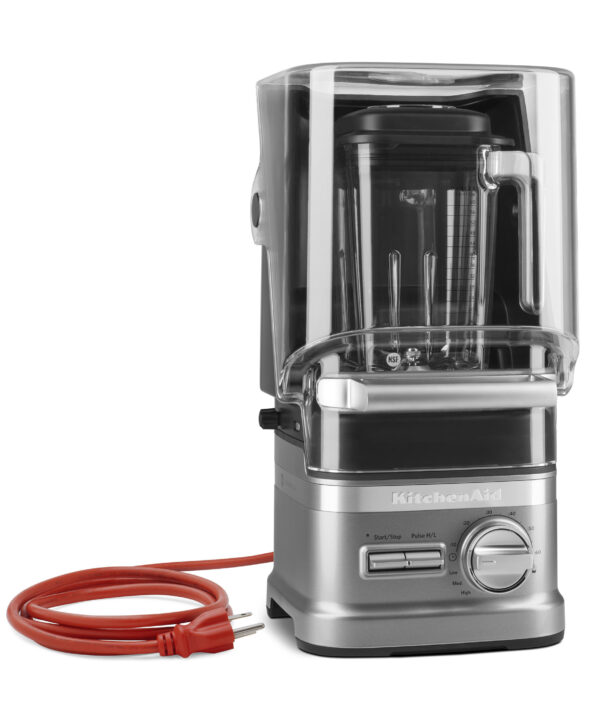
- Blenders are primarily used for pureeing and creating smooth textures. They are excellent for making soups, smoothies, and sauces but are not as versatile for tasks like slicing or dicing.
Understanding the food processors vs. blenders distinction helps you decide which equipment fits your kitchen’s needs best.
Food Processor Motors: Performance and Power
Understanding Food Processor Motors
The performance of a commercial food processor largely depends on its motor. A powerful motor ensures that the appliance can handle tough ingredients and operate efficiently over long periods.
Light-Duty vs. Medium-Duty vs. Heavy-Duty Processors
The strength of the motor distinguishes different categories of commercial food processors. Below is a comparison table to help you understand these differences:
| Processor Type | Motor Power (Approx.) | Ideal Use |
| Light-Duty | Low (Up to 500W) | Light chopping and small batches |
| Medium-Duty | Moderate (500W-1000W) | Most restaurant food processing tasks |
| Heavy-Duty | High (Above 1000W) | Continuous, high-volume processing |
Selecting the right motor strength is vital for ensuring that your commercial food processors can handle your kitchen’s workload efficiently.
Types of Food Processor Discs and Blades
Essential Attachments for Commercial Food Processors
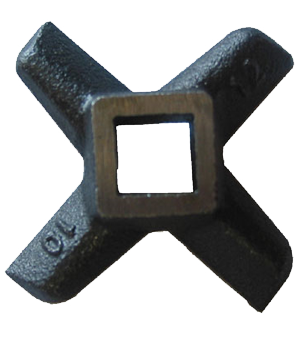
Commercial food processors come with various discs and blades designed to perform specific tasks. These attachments increase the versatility and efficiency of your equipment. Some of the most common attachments include:
- Slicing Discs: Ideal for creating uniform slices of fruits, vegetables, and cheeses.
- Julienne Discs: Perfect for cutting ingredients into thin, matchstick-like pieces.
- Grating or Shredding Discs: Used for shredding cheese, vegetables, and even some meats.
- Dicing Discs: Ensure even cubes of food for salads, soups, or stews.
- Whipping Discs: Great for incorporating air into mixtures for lighter textures.
Each type of disc and blade plays a crucial role in maximizing the functionality of your commercial food processors.
Key Features and Considerations
What to Look for When Purchasing a Commercial Food Processor
When choosing a commercial food processor, consider the following essential features:
- Build Quality & Durability: Look for robust construction that can withstand continuous use.
- Ease of Cleaning & Maintenance: Opt for models that are easy to disassemble and clean to ensure hygiene and longevity.
- Versatility & Attachments: The availability of multiple attachments such as various food processor discs and blades can expand the functionality of the appliance.
- Motor Power: Ensure the motor is suited to your processing needs, as outlined in our motor performance table.
- Speed Options: Variable speed settings allow you to control the processing texture and consistency.
These factors are critical for ensuring your commercial food processors meet the demands of a busy kitchen.
Frequently Asked Questions About Commercial Food Processors
What are the primary types of commercial food processors?
They include batch bowl, continuous feed, combination models, buffalo choppers, and vertical cutter mixers.
How do commercial food processors differ from blenders?
Food processors are designed for chopping and slicing, while blenders are used for pureeing.
What should I consider when choosing a food processor motor?
Consider the wattage and durability light, medium, and heavy-duty options are available based on your kitchen’s needs.
What types of discs and blades come with commercial food processors?
Common attachments include slicing, julienne, grating, dicing, and whipping discs.
Insights on Commercial Food Processors
Choosing the right commercial food processors can revolutionize your kitchen operations by increasing efficiency and ensuring consistent food quality. By understanding the different types of food processors, comparing them to blenders, and focusing on key features such as motor performance and accessory options like food processor discs and blades, you can make an informed decision that best suits your commercial or home kitchen. At RHQStore, our range of commercial restaurant supplies includes high-quality food processors designed for reliability and performance. Explore our collection at RHQStore to find the ideal solution for your food processing needs and enhance your culinary operations today.