











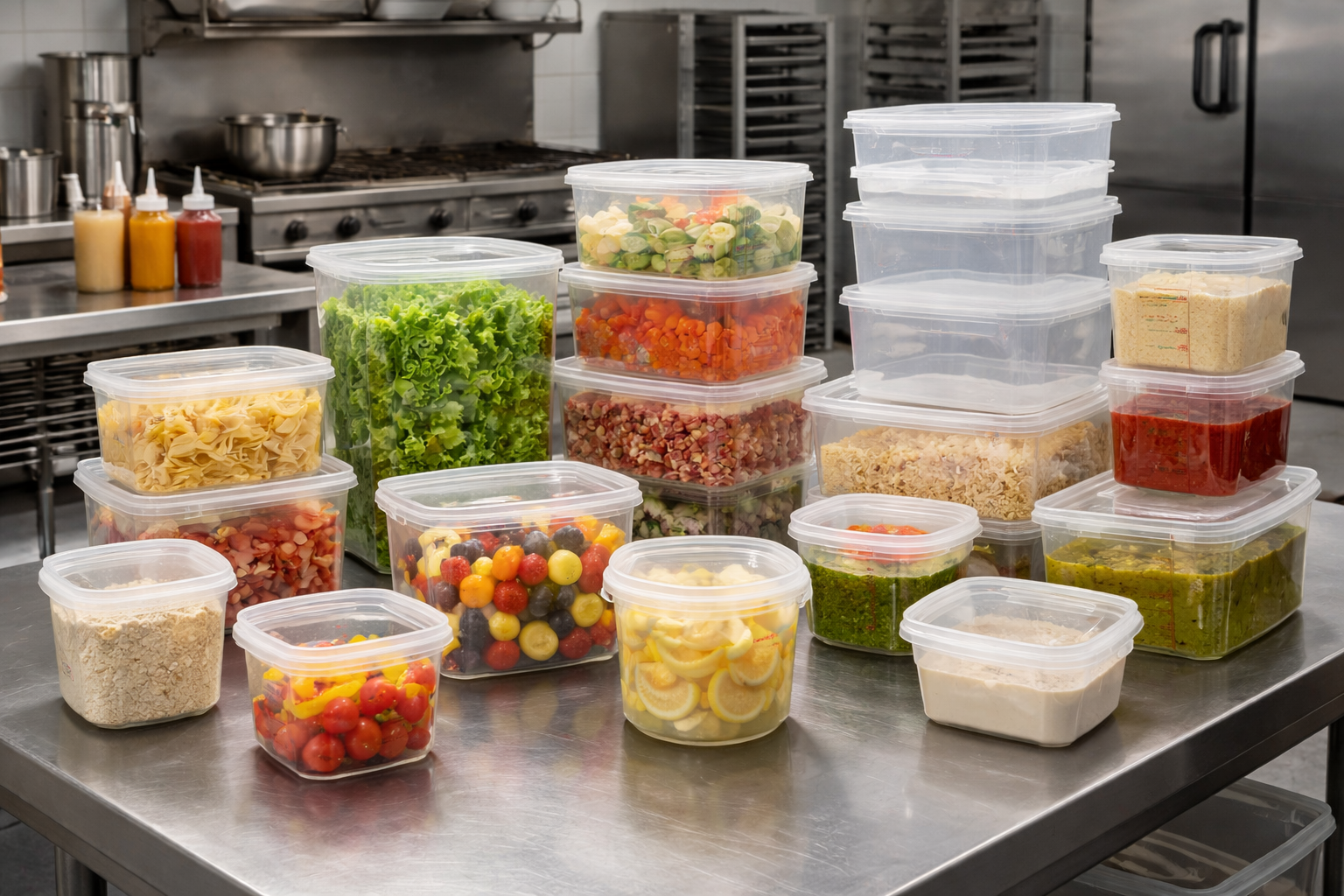
Plastic container restaurant supply is the backbone of every commercial kitchen’s food storage, prep, and service operations. Here’s what you need to know:
Most Common Types:
- Deli Containers – versatile for sauces, soups, and prepared foods
- Square/Round Storage Containers – bulk ingredient storage and prep
- Clamshells – takeout and grab-and-go items
- Portion Cups – condiments and samples
- Ingredient Bins – dry goods storage
Key Materials:
- Polypropylene (PP #5) – microwave and freezer safe, dishwasher safe
- Polyethylene (PET #1) – crystal clear, recyclable, cold storage
- Polycarbonate (PC #7) – extremely durable, impact resistant
Where to Buy:
- Wholesale suppliers offer 20-40% savings vs. retail
- Most orders ship same or next business day
- Available in sizes from 1 oz to 3 gallons
Walk into any restaurant kitchen and you’ll see them everywhere—those clear plastic containers stacking neatly in walk-in coolers, lining prep stations, and holding everything from marinara sauce to diced onions. They’re so common that most diners never think about them, yet these humble containers are absolutely critical to how professional kitchens operate.
Over 3 million plastic food containers ship monthly to restaurants nationwide. That’s because plastic container restaurant supply isn’t just about storage—it’s about food safety, operational efficiency, and cost control. The right containers keep ingredients fresh, help manage inventory through FIFO rotation, prevent cross-contamination, and make high-volume service possible.
I’m William Chen, CEO of Restaurant Headquarters in Dallas, and through developing over 1,000 restaurant projects, I’ve sourced and specified plastic container restaurant supply for every type of operation from fast-casual concepts to multi-unit franchises. Choosing the right containers impacts everything from your walk-in cooler space efficiency to your food cost percentage.
Decoding the Containers: Types and Materials Explained
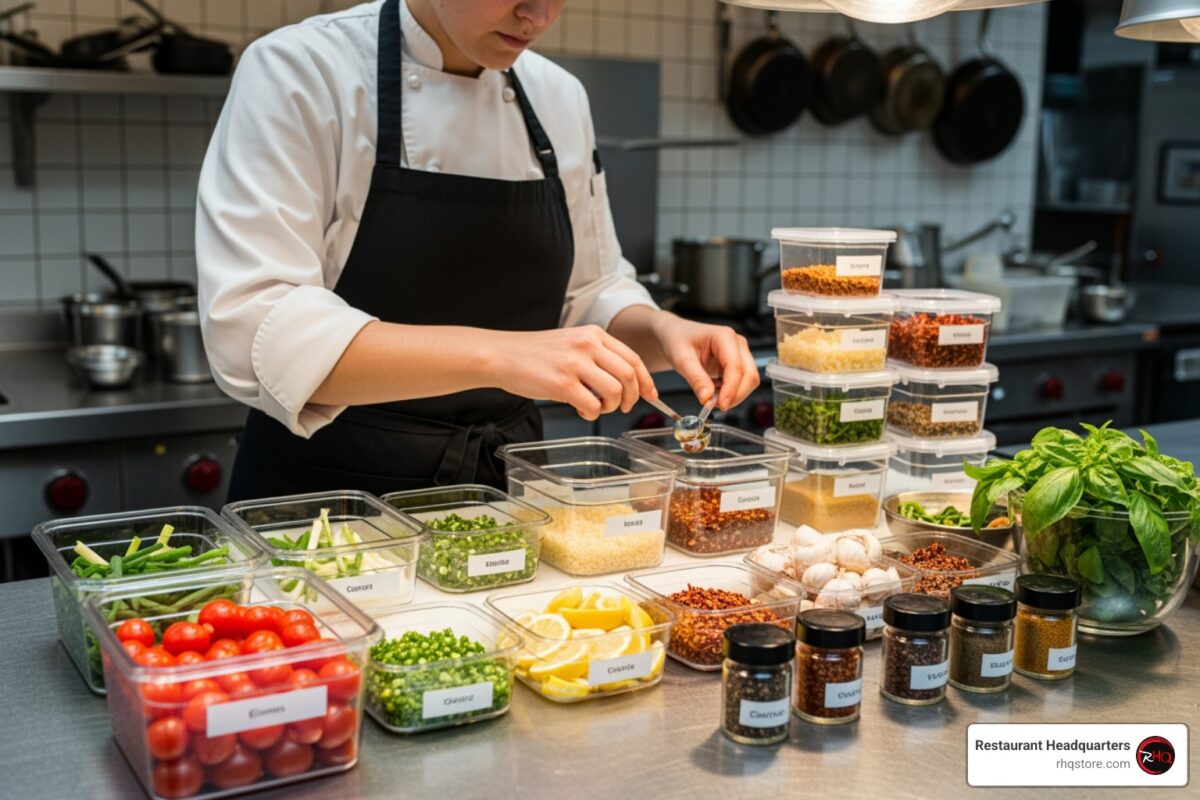
When we talk about plastic container restaurant supply, we’re not just talking about one type of plastic or one shape of container. The professional kitchen demands a diverse array of containers, each designed for specific tasks.
Understanding these types and the materials they’re made from is crucial for making informed purchasing decisions for your restaurant in North Texas. This section breaks down the what and why of container construction.
Common Container Types for Every Application
Every commercial kitchen in Dallas, Frisco, Plano, or anywhere in Texas relies on a specific lineup of plastic containers to keep operations running smoothly.
- Deli Containers: These are perhaps the most ubiquitous. Typically round and available in a wide range of sizes (from small 8 oz for sauces to larger 32 oz for soups or prepared salads), deli containers are perfect for portioning, storing prepped ingredients, and sending out to-go orders. Their stackable design makes them incredibly space-efficient in refrigerators.
- Round Storage Containers: Often used for liquids, brines, marinades, or bulk ingredients, round containers like the Winco Pprc-2w 2 Qt. Food Storage Container are a staple. Their smooth, curved interiors are easy to clean, and they prevent ingredients from getting stuck in corners. They are excellent for mixing and stirring, as well as for storing items that don’t need to fit tightly into a square footprint.
- Square Food Storage Containers: When space is at a premium, square containers are the champions. They fit snugly together without leaving wasted gaps, maximizing storage capacity in walk-in coolers and dry storage areas. From small 2-quart containers for prepped herbs to larger 22-quart options for bulk produce, they are essential for ingredient organization. A great example is the Winco Pesc-4 4 Qt. Food Storage Container, ideal for a variety of uses.
- Hinged/Clamshell Containers: These are the workhorses of takeout and delivery services. Designed for grab-and-go convenience, they feature an attached lid that snaps securely shut. They come in various sizes and configurations, from single-compartment options for entrees to multi-compartment designs for complete meals. The best ones are durable and crack-resistant, ensuring food arrives intact.
- Ingredient Bins: For large-volume dry goods like flour, sugar, rice, or grains, ingredient bins are indispensable. These often feature wheels for easy mobility and clear lids for quick content identification. They help maintain freshness and hygiene, keeping bulk ingredients safe from pests and moisture. A robust option like the Winco Ib-21 White Plastic Ingredient Bin can significantly improve dry storage efficiency.
- Portion Cups: Small but mighty, portion cups are essential for condiments, dressings, samples, or small side dishes. They help with cost control by ensuring consistent portioning and are perfect for catering events or takeout orders.
Understanding the Plastics: A Material Breakdown
The type of plastic used significantly impacts a container’s properties, dictating whether it’s microwave-safe, freezer-safe, or how durable it will be. Here’s a quick look at the most common materials in plastic container restaurant supply:
| Property | Polypropylene (PP #5) | Polyethylene Terephthalate (PET #1) | Polycarbonate (PC #7) |
| Microwave-Safe | Yes (up to 180°F) | No | Generally No |
| Freezer-Safe | Yes | Yes | Yes |
| Clarity | Translucent | Crystal Clear | Crystal Clear |
| Durability | Flexible, Good | Rigid, Good | Very High, Impact-Resistant |
| BPA-Free Status | Generally Yes | Yes | Varies (often yes, but check) |
| Dishwasher-Safe | Yes | No (hand wash recommended) | Yes |
| Recyclability | Widely Recyclable | Widely Recyclable | Less commonly recycled |
- Polypropylene (PP #5): This is a versatile workhorse in the commercial kitchen. PP containers are known for being microwave-safe (up to 180°F), freezer-safe, and generally dishwasher-safe, making them highly reusable. They are translucent, allowing you to see the contents without being perfectly clear. Their flexibility makes them resistant to cracking, a huge plus in a busy kitchen.
- Polyethylene Terephthalate (PET #1): PET containers are crystal-clear, offering excellent visibility for showcasing food products. This makes them ideal for deli displays, grab-and-go salads, or baked goods. They are freezer-safe but generally not microwave-safe, as they can warp or leach chemicals when heated. PET is also 100% recyclable, making it a popular choice for environmentally conscious restaurants.
- Polycarbonate (PC #7): For ultimate durability and impact resistance, polycarbonate is a top choice. PC containers are crystal-clear, allowing for immediate identification of contents, and they withstand significant abuse without cracking or shattering. They are freezer-safe and generally dishwasher-safe, but it’s crucial to check manufacturer specifications for microwave safety, as it’s not a universal feature. Many high-quality clear storage containers, like the Winco Pcsc-2c 2 Qt. Clear Storage Container, are made from PC.

Food-grade materials, FDA-compliant, and BPA-free are non-negotiable standards for all plastic container restaurant supply. In Texas, adhering to these standards is not just good practice; it’s a legal requirement for food safety. We always ensure the containers we supply meet or exceed these crucial health and safety regulations. For reference on nationally recognized guidelines, see the FDA Food Code.
Why Plastic Reigns Supreme in the Commercial Kitchen
Plastic containers have earned their stripes as an indispensable part of any restaurant’s operations. While other materials like stainless steel or glass have their place, plastic offers a unique combination of benefits that make it the go-to choice for countless applications in a commercial kitchen. This section highlights the operational advantages of using plastic.
The Core Benefits for Food Storage and Service
- Durability and Crack-Resistance: In the environment of a commercial kitchen, containers take a beating. They’re dropped, stacked, and moved constantly. High-quality plastic containers are designed to be durable and crack-resistant, holding up to daily wear and tear without failing. This means less waste from broken containers and a longer lifespan for your investment.
- Cost-Effectiveness: Compared to alternatives like glass or stainless steel, plastic containers are significantly more affordable, especially when purchasing in bulk. This allows restaurants, from a small cafe in Flower Mound to a large catering operation in Dallas, to maintain a robust inventory of containers without breaking the bank.
- Versatility for Hot and Cold Foods: As we’ve seen with polypropylene, many plastic containers can handle a wide range of temperatures, from freezer storage to microwave reheating. This versatility simplifies operations, as kitchen staff can use the same type of container for prep, storage, and even service.
- Lightweight for Transport: Moving ingredients from delivery to storage, from storage to prep, and from prep to the line is a constant dance in the kitchen. Plastic containers are lightweight, reducing strain on staff and making transportation of food items more efficient, whether it’s within the kitchen or for catering events.
- Food Safety and Freshness: Airtight lids on plastic containers are excellent at keeping oxygen out and freshness in. This extends the shelf life of perishable ingredients, reducing food waste and ensuring that customers in Frisco or Plano receive only the freshest dishes. Proper seals also prevent spills and cross-contamination, which is paramount for food safety.
- Stackability for Space Efficiency: Kitchen space, especially in walk-ins and pantries, is often limited. The ability of plastic containers to stack neatly, often with interlocking lids, maximizes vertical storage space. This is particularly true for square containers, which eliminate wasted gaps. A container like the Winco Pcsc-12c 12 Qt. Clear Storage Container is designed with stackability in mind, making your storage areas far more organized and efficient.
- Waste Reduction: Beyond preventing spoilage, using the right plastic containers can contribute to overall waste reduction. By providing precise portioning capabilities and extending the life of ingredients, plastic containers help control food costs and minimize what ends up in the trash.
How to Choose the Perfect Containers for Your Kitchen
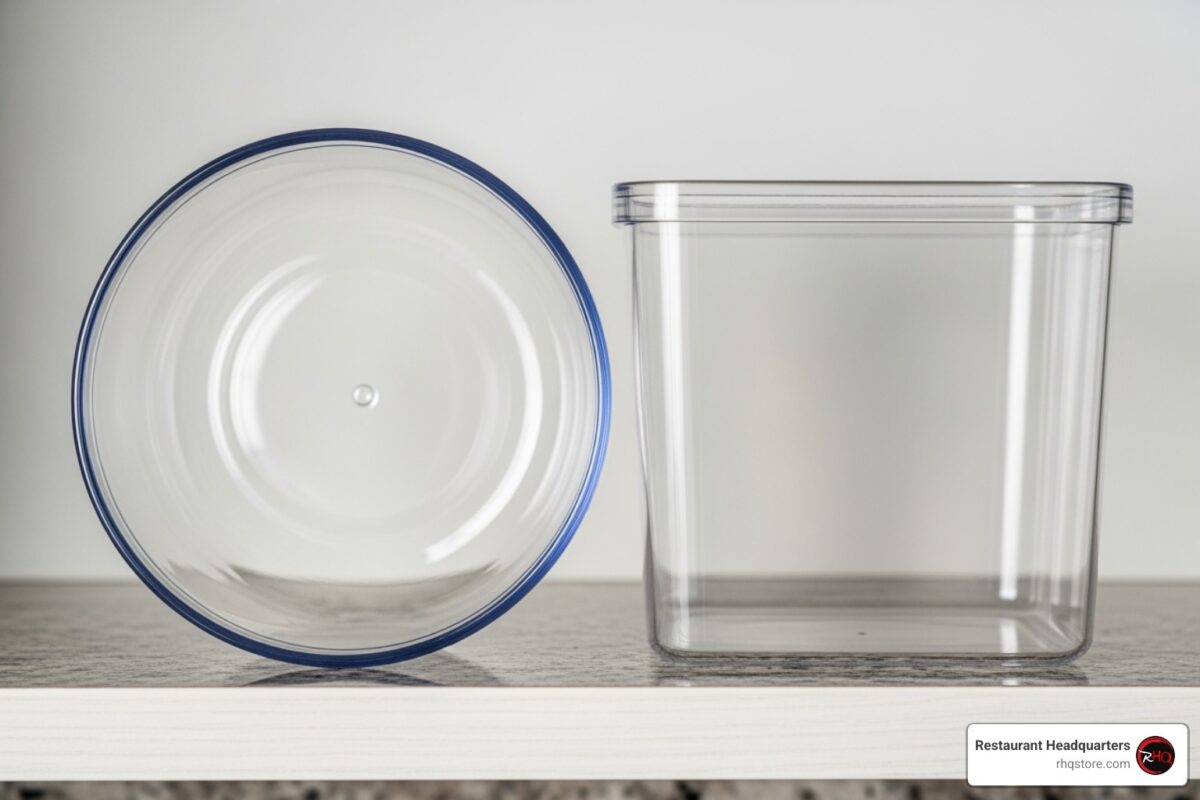
Selecting the right plastic container restaurant supply for your establishment in North Texas isn’t a one-size-fits-all decision. Every kitchen has unique needs, from the types of food prepared to the storage capacity available. Making the right choice involves more than just size; it requires a thoughtful assessment of features, materials, and long-term goals.
Key Considerations for Your Plastic Container Restaurant Supply
- Lid Types (Snap-on, Hinged): The lid is just as important as the container itself!
- Snap-on lids provide a secure, often airtight seal, ideal for long-term storage or preventing leaks during transport. Many food storage lids, such as the Winco Pprc-68c Large Food Storage Lid, are designed for this purpose.
- Hinged lids are perfect for grab-and-go items and fast service, common in deli containers or clamshells. They eliminate the need to match separate lids, speeding up packaging.
- Tamper-Evident Seals: For delivery and retail, tamper-evident features offer an extra layer of security and peace of mind for both you and your customers. These seals visibly break if the container has been opened, assuring freshness and safety.
- Stackability and Nesting: Maximize your limited kitchen real estate. Stackable containers with secure lids keep your walk-in and pantry organized. Nestable containers (empty ones fit inside each other) save valuable space when not in use.
- Shape (Round vs. Square): This is a classic kitchen debate!
- Square containers are renowned for their space efficiency. They fit together perfectly, leaving no wasted gaps in tight refrigeration or shelving. They’re ideal for bulk storage of solid ingredients.
- Round containers are often preferred for liquids, mixing, or items that need frequent stirring, as there are no corners for ingredients to get stuck.
- Size and Capacity (Portion control vs. Bulk): Our suppliers offer containers ranging from a tiny 1 oz for condiments up to 3 gallons for bulk ingredients.
- For portion control, small deli cups or portion cups ensure consistency, help manage food costs, and are vital for dietary restrictions.
- For bulk storage, larger containers like the Winco Pesc-22 Qt. Food Storage Container are essential for keeping large quantities of prepped food or raw ingredients fresh.
- Color-Coding for Organization: Many leading brands offer containers and lids in different colors. This isn’t just for aesthetics; it’s a powerful tool for HACCP compliance and organization. You can color-code by day of the week, ingredient type (e.g., green for produce, red for raw meat), or allergen status, significantly enhancing food safety and efficiency.
Sustainability and Branding
Today’s diners, especially in a progressive city like Dallas, are increasingly conscious of environmental impact. Your plastic container restaurant supply choices can reflect your commitment to sustainability and improve your brand identity.
- Recyclable options (PET, PP): Opting for containers made from widely recyclable plastics like PET (#1) and PP (#5) allows your customers to easily recycle them after use. Highlight this on your packaging or in your establishment to show your eco-conscious efforts. Many suppliers are now focusing on these materials.
- Reusable container programs: While most commercial plastic containers are designed for single-use in a restaurant setting for hygiene and compliance, many durable PP containers are robust enough for consumers to reuse at home. Some restaurants are even exploring programs where customers can bring back and exchange reusable containers.
- Custom branding and labeling: Your takeout containers are mobile billboards! Custom branding or labeling on your plastic containers is a fantastic way to extend your brand identity beyond your restaurant’s doors. Whether it’s a logo, a tagline, or even a QR code to your menu, it reinforces your presence and professionalism. Many suppliers offer various customization methods, from pressure-sensitive labels to direct printing.
For additional product education and ideas, read the Cambro Blog for product news and tips.
When considering your plastic container restaurant supply, look for trusted manufacturers known for quality and innovation. Here are some of the leading brands to consider that offer reliable solutions for your restaurant: Winco, Cambro, Carlisle, and Rubbermaid.
Your Guide to Bulk Plastic Container Restaurant Supply and Best Practices
For restaurants in Texas, especially those with high volume, purchasing plastic container restaurant supply in bulk is not just a convenience; it’s a strategic business decision. Proper purchasing and handling are key to maximizing value, ensuring food safety, and maintaining operational efficiency.
The Advantages of Buying Wholesale
- Cost Savings (20-40% typical savings): The most significant advantage of buying wholesale is the substantial cost reduction. Many leading suppliers offer savings of 20-40% compared to retail prices when you purchase in larger quantities. For a busy restaurant in Dallas, these savings can significantly impact your bottom line.
- Consistent Inventory: Buying in bulk ensures you always have the necessary containers on hand, preventing stockouts during peak hours or busy seasons. This consistency is vital for maintaining smooth operations and avoiding last-minute, higher-cost purchases.
- Streamlined Ordering: Instead of frequent small orders, wholesale purchasing allows for less frequent, larger orders, simplifying your procurement process. This saves administrative time and reduces the complexity of managing multiple vendors.
- Reduced Shipping Costs: While you’re ordering more items, the per-unit shipping cost often decreases with bulk orders. Many suppliers also offer fast shipping, with most orders shipping same or next business day, ensuring your Texas restaurant gets its supplies quickly.
Best Practices for Handling Your Plastic Container Restaurant Supply
Even the best containers won’t perform optimally without proper care and handling. Adhering to best practices is crucial for food safety, longevity of your containers, and compliance with Texas health codes.
- Food Safety and Compliance (HACCP, NSF): Always ensure your plastic containers are NSF-listed and that your handling procedures align with HACCP (Hazard Analysis and Critical Control Points) principles. Learn more about these standards here: HACCP and NSF International.
- Proper Cleaning and Sanitizing: After each use, containers must be thoroughly cleaned. Wash them with hot, soapy water or in a commercial dishwasher. For stubborn stains, a mixture of baking soda and water or a commercial degreaser can be effective. Follow up with an approved food-safe sanitizer, then allow them to air dry completely before storage to prevent bacterial growth.
- Storage Best Practices: Store clean, dry plastic containers in a cool, dry location, ideally between 50-80 degrees F, away from direct sunlight. Extreme temperatures can cause warping or degradation over time. Stacking them by size and type, and not exceeding recommended stack heights, helps maintain their integrity.
- FIFO (First-In, First-Out) Rotation: Implement a strict FIFO system for ingredients stored in your plastic containers. This ensures that older stock is used before newer stock, minimizing waste and ensuring freshness.
- Labeling with Contents and Dates: Every container holding ingredients or prepped food should be clearly labeled with its contents and the date it was prepared or received. This is a fundamental food safety practice and crucial for inventory management.
- Regular Inspection for Damage: Routinely inspect all your plastic containers for cracks, warping, discoloration, or any signs of damage. Damaged containers can harbor bacteria, compromise food safety, and should be immediately removed from service and replaced.
Frequently Asked Questions about Restaurant Plastic Containers
We often get asked specific questions about plastic container restaurant supply from our clients across Dallas, Plano, and the wider North Texas region. Here are some of the most common inquiries, answered directly:
Are commercial plastic containers reusable and dishwasher safe?
Absolutely! Most professional-grade plastic food containers, especially those made from Polypropylene (PP) and Polycarbonate (PC), are specifically designed for repeated commercial use. They are engineered to withstand the rigors of commercial dishwashers, high temperatures, and frequent handling without degrading or leaching harmful chemicals.
This durability is key to their cost-effectiveness over time. However, always check the manufacturer’s specifications for each product, as some lighter-duty or single-use containers (like certain PET clamshells for takeout) are not intended for commercial reuse or dishwashing. Reusing single-use containers in a commercial setting can pose health risks and violate local food safety regulations.
What’s the main difference between clear (Polycarbonate) and translucent (Polypropylene) containers?
The primary difference lies in their visual clarity and specific properties.
- Polycarbonate (PC) containers are crystal-clear, offering perfect visibility of their contents. This is incredibly useful for quick inventory checks and presenting appealing ingredients. PC is also exceptionally durable and impact-resistant, making it a robust choice for heavy-duty storage where containers might be dropped or endure rough handling. However, PC is generally not recommended for microwave use.
- Polypropylene (PP) containers are translucent, meaning you can see the contents, but not with the same crystal clarity as PC. Where PP shines is its versatility: it is typically both microwave-safe (up to 180°F) and freezer-safe, making it suitable for a wider range of temperature applications. PP is also more flexible than PC, which contributes to its crack-resistance. So, while both are excellent choices, a Winco Pcsc-2c 2 Qt. Clear Storage Container is a great example of a clear, durable PC option perfect for visual inventory, whereas a translucent PP container might be your go-to for items that need to go from freezer to microwave.
How can I ensure my containers meet health code standards?
Ensuring your plastic container restaurant supply meets stringent health code standards, particularly those enforced by local health departments in Texas, is paramount. Here’s how we advise our clients:
- Purchase from a Reputable Restaurant Supplier: Always source your containers from trusted suppliers like Restaurant Headquarters (rhqstore.com). We vet our products to ensure they meet industry standards.
- Look for NSF Certification Marks: NSF International is an independent organization that certifies products for public health and safety. NSF-listed containers signify they meet strict standards for material safety, design, and performance, including ease of cleaning.
- Ensure They Are Made from FDA-Approved, Food-Grade, and BPA-Free Plastic: These are fundamental requirements. FDA approval confirms the material is safe for food contact, “food-grade” means it’s suitable for storing food, and “BPA-free” ensures no harmful chemicals like Bisphenol A can leach into food.
- Follow Proper Cleaning and Sanitation Protocols: Even the best containers won’t pass health inspections if they aren’t cleaned and sanitized correctly. Implement strict cleaning schedules and procedures as required by your local health department in Dallas, Plano, or any other Texas location.
Equip Your Kitchen for Success
Choosing the right plastic container restaurant supply is a critical decision that impacts efficiency, safety, and your bottom line. From durable Winco Pw-12 12 Qt. Food Storage Containers to versatile deli cups, the options are vast and specifically designed to meet the rigorous demands of a commercial kitchen.
By understanding the materials, features, and best practices for storage and handling, you can optimize your kitchen’s storage system, reduce waste, and ensure the highest standards of food safety.
Restaurant Headquarters is Dallas’ #1 Restaurant Construction & Design-Build Company, delivering turnkey solutions for ground-up builds, full restaurant fit-outs, and remodels across North Texas.
We also provide custom millwork, custom restaurant furniture, equipment, and a full restaurant supply store to support operators at every stage of opening and growth.
Our expertise means we understand the unique needs of Texas restaurants and can help you select the ideal plastic container restaurant supply to keep your kitchen running smoothly and efficiently.