


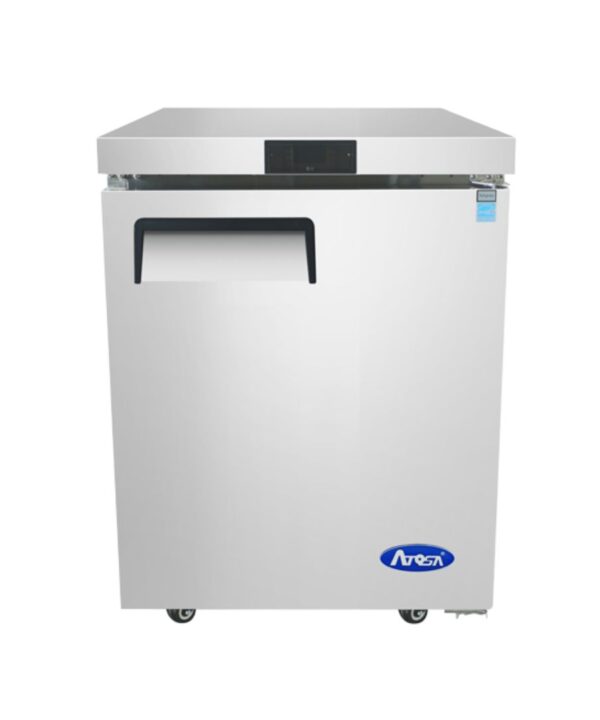












Investing in a commercial freezer is a significant decision for any foodservice business. While the upfront price tag is often the primary focus, overlooking the long-term implications can lead to unforeseen expenses that impact your bottom line. Understanding the hidden costs associated with selecting an ill-suited freezer is crucial for making an informed choice.
1. Elevated Energy Consumption
Older or inefficient freezers can be energy hogs, leading to inflated utility bills. Factors contributing to higher energy usage include outdated technology, worn components, and lack of modern energy-saving features. For instance, units without ENERGY STAR® certification may consume significantly more electricity than their energy-efficient counterparts. Over time, this increased consumption translates to substantial operational costs.
2. Compromised Food Safety
Inadequate temperature control in a subpar freezer can jeopardize food safety. Fluctuating temperatures may lead to partial thawing and refreezing, increasing the risk of bacterial growth and foodborne illnesses. Maintaining consistent temperatures is vital to preserving food quality and ensuring compliance with health regulations.
3. Increased Maintenance and Repair Costs
Freezers not designed for your specific operational demands may experience frequent breakdowns. Components like compressors and door gaskets can wear out prematurely, leading to costly repairs. Additionally, downtime during repairs can disrupt your business operations, resulting in lost revenue and customer dissatisfaction.
4. Inefficient Workflow and Space Utilization
Selecting a freezer that doesn’t align with your kitchen’s layout or storage needs can hinder workflow efficiency. For example, a unit that’s too large may occupy valuable space, while one that’s too small may require frequent restocking. Poorly designed freezers can also complicate inventory management, leading to increased labor costs and potential food waste.
5. Shortened Equipment Lifespan
Investing in a lower-quality freezer might save money initially, but can result in a shorter operational lifespan. Frequent repairs and early replacements incur additional costs and disrupt business continuity. Opting for a durable, high-quality freezer may have a higher upfront cost, but it offers better long-term value through reliability and longevity.
In Summary
While the initial cost of a commercial freezer is a significant consideration, it’s essential to evaluate the total cost of ownership. Factors such as energy efficiency, maintenance requirements, and suitability to your operational needs play an important role in the long-term financial impact. By thoroughly assessing these aspects, you can make a well-informed investment that supports your business’s efficiency and profitability.
Need Help Choosing the Right Commercial Freezer?
Book a free equipment consultation with Restaurant Headquarters and get expert guidance tailored to your kitchen’s needs.