



















![Essential Commercial Kitchen Supplies Every Restaurant Needs [2025 Guide]](https://rhqstore.com/wp-content/uploads/2025/06/In-a-commercial-kitchen-a-man-wearing-a-black-hoodie-prepares-food-focused-on-his-cooking-amidst-the-bustling-environment.webp)
In 2025, commercial kitchens aren’t just about big ovens and sharp knives. Smart, energy-saving tech and equipment that multitasks are quickly taking over the industry. Restaurant owners are turning to gear that’s tough, easy to clean, and saves money in the long run. Modern customers care about food safety and sustainability, so the tools you pick do more than keep things running—they shape your brand’s future. Let’s look at the essentials every serious kitchen needs to thrive this year.
Core Cooking Equipment Every Commercial Kitchen Needs
You can’t build a kitchen worth its salt without serious appliances. The ovens, stoves, fryers, and ventilation systems do all the heavy lifting, and getting the right versions of these workhorses is half the battle. It’s not about flashy bells and whistles but choosing the tools that match your menu, keep staff moving, and pass every safety check. These choices set the tempo for your crew and the quality your customers expect.
Let’s break down the backbone of every commercial kitchen setup:
Commercial Ovens: Types and Selection
All ovens are not created equal. Picking the right one is what separates “just making food” from running a smooth, profitable operation.
- Convection ovens use fans to circulate hot air, so food cooks evenly and fast. They’re workhorses for bakeries, cafes, and busy kitchens that juggle everything from cookies to roasted veggies.
- Deck ovens are all about crust. If you’re pushing pizza, bread, or artisanal baked goods, these stone or ceramic deck ovens crank out those perfect chewy crusts and golden loaves.
- Combi ovens do double duty. They toggle between dry heat, steam, or both at once. That’s huge for menus with everything from roasted meats to delicate fish—think flexibility at scale.
- Conveyor ovens are the go-to for pizza shops and sandwich chains. These machines move food through on a belt so you crank out order after order—no waiting, no fuss.
Here’s what to think about when choosing your oven:
- Size and capacity: Match the oven to your volume. Is your kitchen pushing out dozens or hundreds of orders an hour?
- Menu needs: Don’t buy a pizza deck oven if you only bake cookies. Make sure it suits your primary dishes.
- Gas vs. electric: Gas heats up fast (great for high volume), but electric gives you more precise control and fits more locations.
- Footprint and ventilation: Make sure you have the space, power, and vent hookups.
- Features: Energy-saving models, programmable controls, and easy-cleaning parts pay off in the long run.
Brands like Vulcan, Blodgett, and Hobart are recognized across the industry for reliability, but always check if support and parts are available locally.
Ranges, Griddles, and Fryers
Every chef has a favorite burner, but every kitchen needs a reliable, versatile setup.
Ranges come in all shapes and sizes, usually powered by gas or electricity:
- Gas ranges are favored for instant, responsive heat—ideal for high-energy, sauté-heavy kitchens.
- Electric ranges offer precise temperatures, easier installation, and sometimes lower upfront costs.
- Many kitchens opt for combination units with oven space below and burners above for maximum versatility.
Griddles and grills expand your options. Think pancakes, burgers, eggs, searing, and sautéing—all in one high-traffic area. Look for models with even heat distribution and quick recovery between batches.
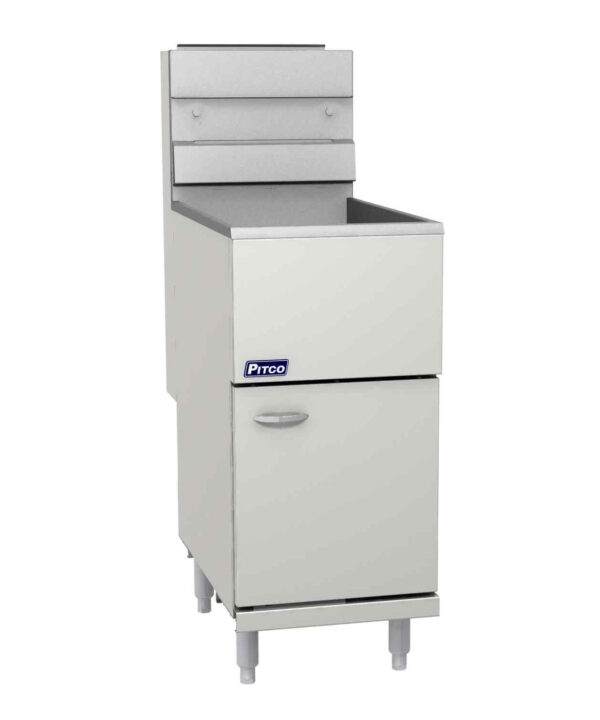
Fryers pull their weight anywhere fries, fried chicken, or tempura are on the menu. When setting up:
- Separate fryers from open flames (keep at least 16-18 inches apart) to reduce fire risk.
- Install UL 300-approved wet chemical fire suppression systems—they smother oil fires and prevent dangerous reignition.
- Keep Class K extinguishers close.
Safety tips:
Maintaining your equipment isn’t just about hygiene, it’s your first line of defense. Build a twice-daily cleaning schedule, get regular professional inspections, and train staff to use fire suppression gear. Don’t skip the details—over 60 percent of restaurant fires start right here.
Ventilation and Exhaust Systems
Ever walked into a kitchen and noticed the haze, sizzling heat, or that lingering grease smell? That’s bad ventilation, and it can shut you down fast.
A good system does three things:
- Clears smoke, heat, and airborne grease quickly.
- Meets health and safety regulations so you stay open.
- Protects both the food and your staff from long-term health risks.
There are two main types of hoods:
- Type I hoods: Built for high-heat, grease-producing appliances like fryers and ranges. Made from thick stainless steel, they use grease filters and integrate fire suppression systems.
- Type II hoods: Handle steam, moisture, and odors from low-grease items, often found over dishwashers or ovens that don’t produce a lot of exhaust.
Key requirements:
- Hoods should extend at least 6 inches past all cooking equipment.
- Filters, ducts, and grease traps need to be removable and easily cleaned—most high-volume spots need a full clean every three months.
- Look for ENERGY STAR-certified models with smart controls for lower utility bills.
- Always have your system installed and regularly checked by licensed pros—regulations like NFPA 96 and International Mechanical Code shape the rules for a reason.
In short, your kitchen should breathe as well as your staff does. Get this part right, and you cut fire risk, breathe cleaner air, and keep inspectors happy. If you’re still reading this thinking, “I’ll get to it eventually”—make it a top priority before launching that next big menu item.
Refrigeration, Freezers, and Food Storage Solutions
Think about your kitchen like a supermarket. Success depends on what’s behind the scenes—how you keep ingredients fresh and how you organize what you store. The right balance between coolers, freezers, and storage setups isn’t just about passing health inspections. It’s about doing business smarter, faster, and without sudden surprises. If you’ve ever seen chaos break out after discovering spoiled meat or missing prep greens, you know just how much runs on what goes inside those shiny metal doors.
Choosing the Right Refrigerators and Freezers
The backbone of safe, efficient food service is cold storage that works as hard as you do. So what’s worth your money in 2025?
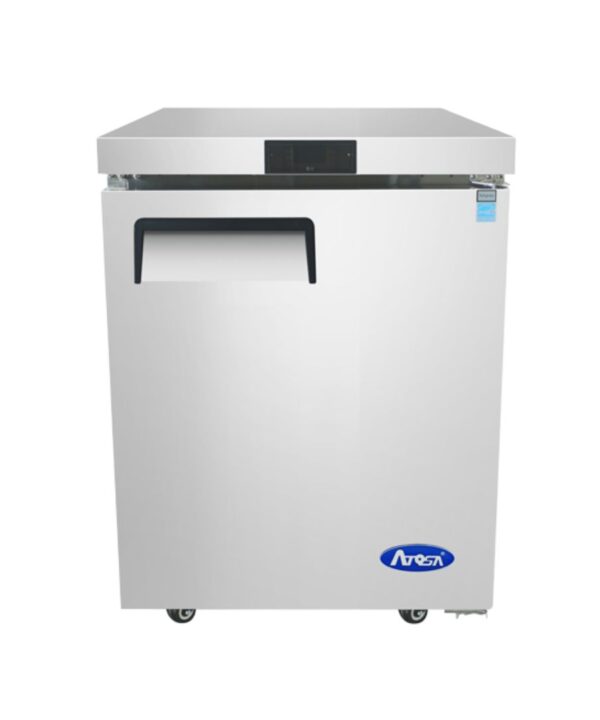
- Reach-In Refrigerators and Freezers:
These are your everyday workhorses—the classic tall, stainless units with one, two, or three solid doors. Reach-ins keep essentials close at hand near the line or the back-of-house. Pick one with:- Digital temperature controls (no more guessing)
- LED interior lights (it helps with late-night prep and quick stock checks)
- Door alarms (yes, leaving the door open really does wreak havoc)
- Removable gaskets for easy cleaning
- Walk-In Coolers and Freezers:
This is your cold pantry—the space for bulk goods, crates of produce, and proteins. Go bigger only if you have the volume to justify it. Pay attention to:- Modular sizes so you don’t pay to chill unused space
- Anti-slip floors (puddles are accidents waiting to happen)
- Shelving built for airflow
- Durable sealing to prevent wasteful cold air leaks
- Refrigerated Prep Tables:
These combine prep counter space and undercounter cooling—perfect for sandwich shops, pizza, sushi, or salad stations. Features to check:- Well-insulated pans with clear covers
- Easy access from both sides if your cooks share a station
- Casters for cleaning underneath (grease and crumbs love to hide)
Energy Certifications and Maintenance Tips:
- Look for ENERGY STAR labels to save on power bills.
- Use self-closing doors and good insulation so your compressor doesn’t run overtime.
- Regularly clean condenser coils—otherwise, your unit will struggle and burn out fast.
- Plan on 8-12 years of heavy service life for reach-ins and walk-ins, but it goes longer if you stay on top of cleaning and gasket checks.
Capacity Matters:
- Buy for your busiest shift—not your slowest.
- If you overstuff, cold air won’t circulate. It’s like cramming too many folks in an elevator—no one’s happy.
- On the flip side, too-large units simply waste energy.
A final word: Place your fridges and freezers where staff can reach them fast. Every second shaves time off prep, but every step is wasted motion you pay for all shift long.
Shelving and Food Storage Containers
Imagine building IKEA furniture, but your storage system lasts through years of spills and chaos. Organization here keeps ingredients safe and your work area running smoothly.
Optimal Materials:
- Stainless steel:
The gold standard. Rust-free, tough as nails, and quick to sanitize. Perfect for wet areas and walk-ins. - Polymer shelving:
Lighter and easier to move, with built-in antimicrobial coatings. These work well where you need flexibility or frequent reconfiguration. - Epoxy-coated or polymer bins:
Useful in dry storage and for holding items that aren’t at high risk of moisture damage.
Smart Organization Tips:
- Keep heavy boxes and raw meats low, ready-to-eat foods and delicate items up high.
- Don’t let anything touch the floor. Use metro racks or shelving legs with adequate clearance.
- Store allergenic and high-risk items in dedicated, labeled bins.
- Use vertical space—adjust shelves so you’re not stacking containers too high, risking tumbles.
Labeling for Food Safety:
- Make it a rule: If it’s not labeled, it doesn’t get used.
- Use waterproof labels with clear product names, prep dates, expiration dates, and who prepped it.
- Rotate stock using FIFO (First-In, First-Out) so nothing sits past its prime.
- Post a simple storage map or shelf guide for new staff—even the best cooks can have off days.
If you want chaos, skip organization and let sticky note labels rule the roost. If you want fewer shortages, faster prep, and a happier health inspector, create routines. Set up digital temperature and inventory checks to save headache and waste.
The real secret? A well-organized storage setup is like a GPS for your kitchen team. Everyone knows where to go and what comes next—no more guessing, no more waste. And you never have to wonder where the last bag of shredded cheese went.
Food Prep Smallwares and Processing Equipment
Ask any chef, and they’ll tell you: food prep is where magic (or mayhem) starts. Before a single order hits the line, you need to have every tool ready to chop, slice, mix, and portion with speed and precision. Skimp here, and you disrupt your whole operation. Get it right, and your kitchen will handle lunch rush like a team of pros. Ready to see what really separates a sharp kitchen from a sorry one? Let’s break down the food prep essentials.
Knives, Cookware, and Utensils: The Must-Haves for Fast, Safe, and Consistent Prep
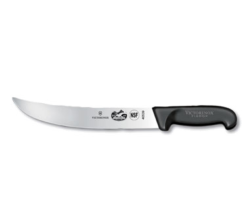
A restaurant’s knives aren’t just tools—they’re extensions of your team’s hands. Using the right blade for the right job keeps prep fast and staff safe. Here’s what every serious kitchen needs:
- Chef’s Knives: The all-in-one hero. Go for an 8- or 10-inch model with a solid grip and stainless or high-carbon steel. They handle everything from dicing onions to breaking down proteins.
- Paring Knives: Ideal for delicate work. Think peeling, trimming, or any detail work that demands control.
- Serrated Knives: Your go-to for bread, tomatoes, or any item with a tough outside and soft inside.
Picking the best knife? Choose brands known for edge retention (like Wüsthof or Victorinox). Always store them on a wall-mounted magnetic strip or in knife blocks to dodge accidental cuts.
Don’t overlook cookware. Stainless steel pans offer top durability and can take a beating daily. Non-stick pans make cleanup breezy and are perfect for eggs or pancakes, but stick with heavy-duty options for serious heat. Cast iron still rules for searing and unbeatable heat retention.
What about prep utensils? Here’s a shortlist you’ll use every single day:
- Tongs (stainless with silicone tips for grip)
- Spatulas (choose heat-resistant and flexible models for easy flipping)
- Whisks (strong wires, ergonomic handles)
- Peelers and zesters
- Measuring spoons/cups (full sets in stainless)
For safety and longevity:
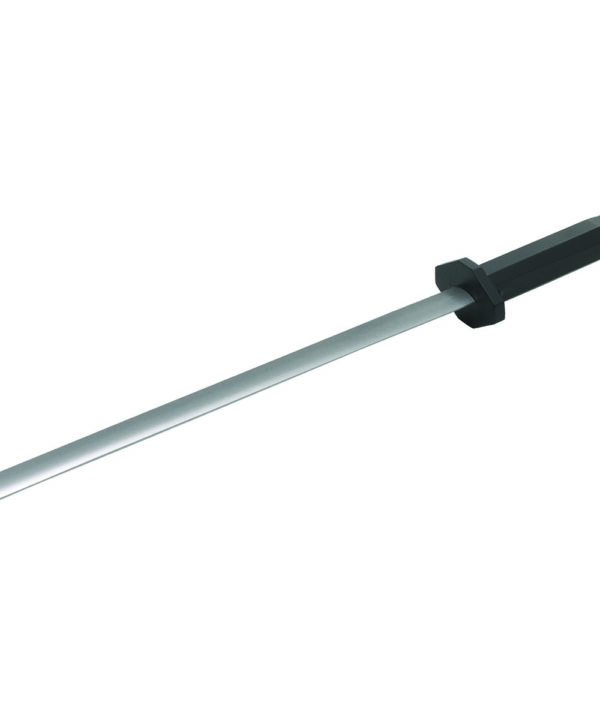
- Hone and sharpen knives often. Dull blades cause slips and crush produce instead of slicing clean.
- Buy ergonomic-grip utensils. Staff hands take a beating—save them extra strain and decrease the odds of repetitive stress injuries.
- Dishwasher-safe construction. Fewer nooks and crannies for bacteria, easier sanitizing after each shift.
If you want fewer prep injuries, quicker ticket times, and tools that last more than a few months, invest wisely. Don’t fill drawers with cheap gadgets that break when things get busy. Trust, your future self (and your staff) will thank you.
Mixers, Slicers, and Food Processors: Power Tools for Modern Kitchens
Mixers, slicers, and food processors are like the MVPs of food prep. Get the right equipment here, and your kitchen will crank out prep work at record speed—no more bottlenecks or last-minute dicing marathons.
Commercial Mixers:
Think about the volume of dough, batter, or whipped cream you actually go through. For bakeries and pizza kitchens, a 20-quart or larger floor mixer makes batch work painless. Smaller operations can stick with countertop models, but even then, aim for all-metal gears and a motor that can handle daily use without overheating.
- Use planetary mixers for versatility (they whip, mix, and knead).
- Spiral mixers are best for bread and pizza dough—less stress on the motor and better gluten development.
- Look for safety features: bowl guards, automatic shut-off, and non-slip feet.
Slicers:
From perfect deli meats to uniform vegetables, slicers save time and reduce hand fatigue.
- Manual vs. automatic: Manuals are budget-friendly and give you fine control. Automatics win in high-volume setups.
- Blade size: Go bigger if you slice meat in bulk (12-14 inches); for cheese or veggies, 9-10 inches works.
- Cleaning: Removable blades and parts speed up your post-shift routines and keep operators safe.
Food Processors:
The true workhorse. In 2025, processors come in horsepower ranges that blitz through bulk prep in seconds. There are two big categories:
- Batch bowl processors: These chop, mix, or puree everything inside a single bowl. Great for dressings, sauces, or small-batch fillings.
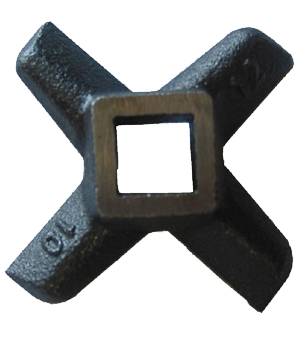
- Continuous-feed models: Built for volume. Think prepping hundreds of pounds of potatoes or carrots. Food drops in one end and comes out perfectly sliced or diced on the other.
When picking a food processor, keep these in mind:
- Look for stainless steel blades and shatter-proof polycarbonate bowls for years of service.
- Prefer models with multiple blade options and feed tube sizes—maximum flexibility.
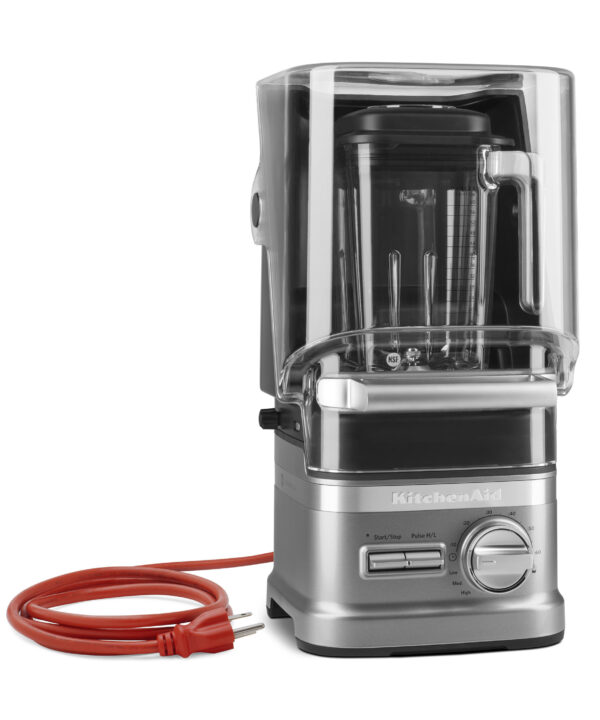
- Check noise levels. Some newer models add noise-reduction covers, which your team will love during back-to-back shifts.
Some kitchens now use all-in-one stations that mix, slice, dice, and grate—saving both space and setup hassle. If you’re tight on real estate, consider these modular units.
Bottom line:
Choose equipment that suits your menu and volume. Overbuy, and you’ll waste money and space. Underbuy, and you’ll be stuck scrambling to keep up. Above all, put a premium on durability, easy cleaning, and built-in safety. Get this right, and your kitchen team will have more energy (and less frustration) for what really matters: turning out plates your customers rave about.
Ready for the next stage of a well-oiled kitchen? The right food prep gear makes consistency and speed part of your daily routine, not just a lucky accident.
Safety, Sanitation, and Cleaning Supplies
Think of your kitchen as a high-stakes team sport. Safety, sanitation, and cleaning supplies are your defense, offense, and coaching staff all rolled into one. Miss a beat here, and you risk failing an inspection, injuring staff, or burning through cash on repairs and downtime. Restaurants that take health code compliance and staff safety seriously always have the right tools and a strict game plan—and it shows in their clean kitchens and steady business. Here’s how the pros keep their kitchens spotless, safe, and ready for anything.
Fire Suppression and First Aid Essentials
Restaurant kitchens are tough environments. The sizzle of the grill, the hum of fryers, sheets of hot oil—all raise the stakes for fire safety. One spark from a neglected fryer and you could have chaos in seconds. That’s why fire suppression isn’t just a box to check off; it’s your number one insurance policy.
Start with a UL300-listed wet chemical fire suppression system. These are built for commercial kitchens, ready to tackle grease fires fast and make sure they don’t reignite. Top trusted brands, like Ansul and Kidde, offer systems that can be customized for your exact hood and appliance layout. With nozzles placed to blanket your busiest stations, you get round-the-clock coverage, even if you tweak the kitchen setup down the road.
Here’s the non-negotiable checklist:
- Fire suppression system installed and up-to-code
- Routine inspections at least twice a year
- Easy-to-access Class K fire extinguishers by fryers and ranges
- Staff trained on how and when to use both (think monthly refreshers)
But what about burns, cuts, and other random injuries? No kitchen is immune. That’s why a well-stocked first aid kit should be right where anyone can reach it—never buried in a back office. Include burn gel, sterile pads, wound wash, bandages, and non-latex gloves. Add a logbook for injury reports and refresh supplies every month.
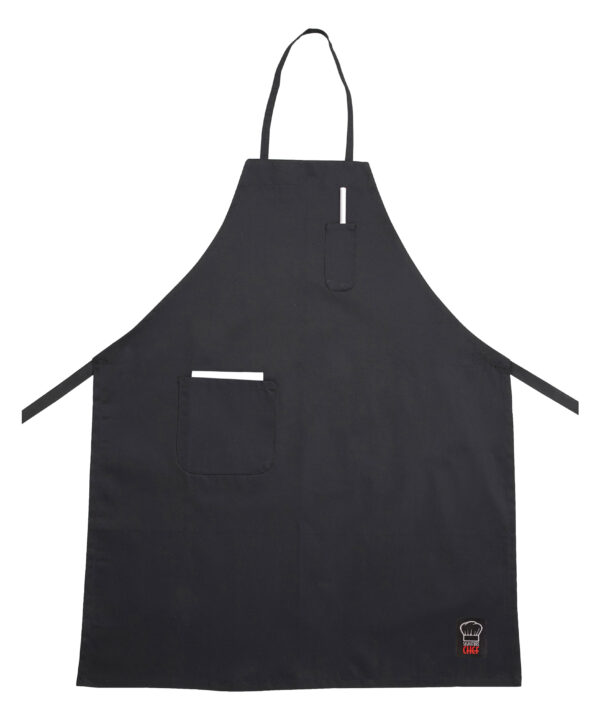
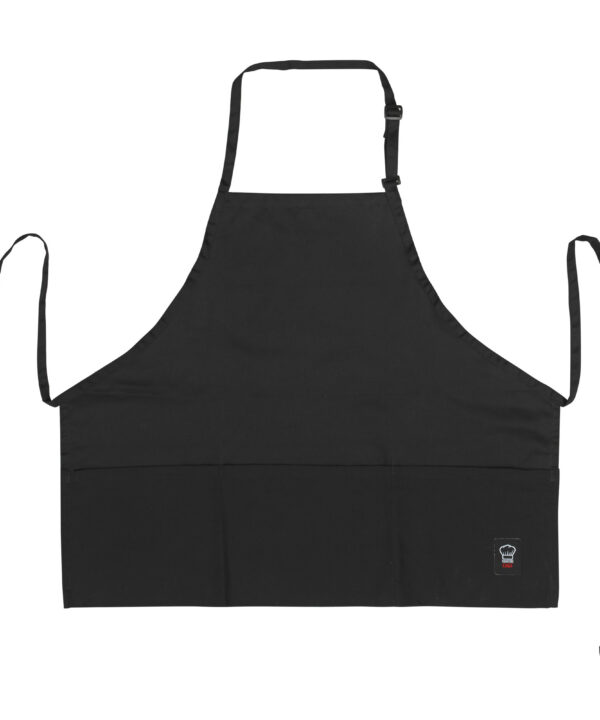
Pro move: Keep protective gear handy. Think non-slip shoes, cut-resistant gloves, and heavy-duty aprons. Display clear safety signage and exit maps—your staff will thank you in an emergency.
Cleaning Chemicals, Sinks, and Dishwashing Equipment
If the heart of food safety is temperature control, then cleaning and sanitation are its immune system. In 2025, smart restaurants are pivoting to eco-friendly, tech-savvy cleaning products that smash through grease and germs—without choking staff with toxic fumes.
The new gold standard leans into enzyme and citrus-based cleaners. They go toe-to-toe with old-school degreasers and industrial disinfectants but score higher for staff health and planet safety. Look for supplies that are:
- Non-toxic and biodegradable
- Free of harsh volatile chemicals
- Strong enough to kill bacteria on contact
Here’s the base cleaning arsenal every kitchen should have:
- Degreasers for grills, hoods, and fryer areas
- Disinfectants and sanitizers for counters and prep surfaces
- Color-coded spray bottles to avoid cross-contamination (e.g., red for bathrooms, yellow for kitchen gear)
- Microfiber cloths and mop heads to trap more dirt and germs
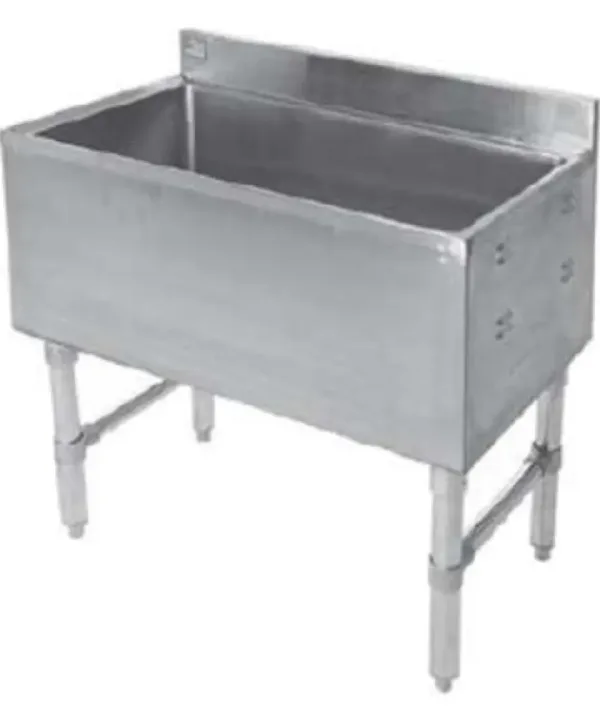
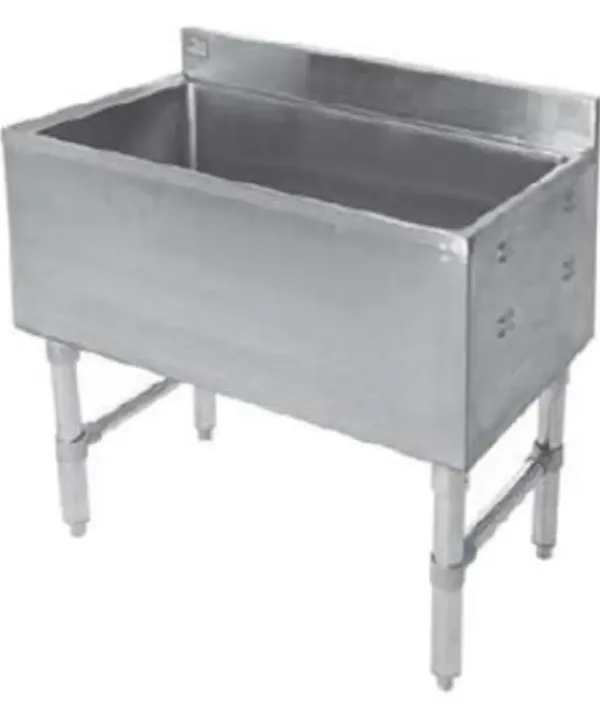
Now, let’s talk about hardware. Sinks and dishwashers are where the magic (and the mess) meet. A three-compartment sink gives you a dedicated workflow: wash, rinse, sanitize. Add a handwash-only sink near every station so no one skips this tiny (but crucial) step. And, for serious throughput, bring in a high-efficiency, automated dishwasher. These machines knock out germs at high temps, use less water, and cut labor in a big way.
Smart add-ons:
- Floor drains and rubber mats for slip prevention
- Grease traps and regular duct cleaning to stop trap blockages and (bonus) cut fire risks
- Digital temperature monitors on dish machines to confirm that you’re hitting food-safe sanitizing ranges
Last, set up a cleaning schedule. Make it visible and digital if possible. Many top kitchens are using inventory management apps and digital checklists to keep everyone accountable and on track—no more “I thought someone else did it.” Assign daily, weekly, and deep-cleaning tasks and make reporting easy.
Get these systems right, and you’ll breeze through health inspections, protect your crew, and keep every plate as safe as it is delicious. Clean kitchens aren’t just for show—they’re the secret sauce of every high-performing restaurant.
Advanced Technology and Design Trends in Commercial Kitchens
Today’s commercial kitchen is getting smarter, faster, and easier to manage—think less stress, more control, and better bottom lines. In 2025, it’s not just about the slickest gadgets. It’s about real results: better speed, higher food safety, and less waste. Here’s how forward-thinking restaurants are using new tech and design trends to set the gold standard.
Point of Sale and Kitchen Display Systems
Let’s be honest: the old-school ticket rail is about as exciting as dial-up internet. Modern restaurants are switching to cloud-based Point of Sale (POS) systems and Kitchen Display Systems (KDS) that keep everything in sync, from order to plate.
Here’s how these systems reshape things:
- Cloud-based POS platforms work like command centers. Orders zip straight from table or app to every part of your workflow—bar, kitchen, even curbside pickup. You can track trends, update menus on the fly, and review sales anytime, anywhere.
- Kitchen Display Systems (KDS) take the stress out of peak hours. Cooks see every order as it comes in, timers show what’s late, and staff can bump done tickets without a messy paper trail or confusion. No more lost orders or shouting over the fryer.
- IoT (Internet of Things) connects your equipment. Imagine your fridge pinging you with a low temp alert, or your oven optimizing bake cycles based on the day’s menu. These connected tools help prevent equipment fails, cut downtime, and stop surprise food waste cold.
Added bonus: Automation is now your secret weapon. Think about:
- Inventory tools that auto-notify when you’re low on key ingredients.
- Reporting dashboards that spot your busiest times, track kitchen speed, and help you coach staff.
- AI ordering suggestions that show what’s selling and nudge smarter daily specials.
In busy kitchens, this tech is like giving your team a playbook for the big game—fewer mistakes, faster service, and suddenly you can handle a lunch rush that would’ve broken you five years ago. Staff feel less overwhelmed, and customers notice the extra smooth flow. Isn’t that the dream?
Going Green: Energy-Efficient and Sustainable Solutions
Energy bills climbing? You’re not alone. The smartest kitchens in 2025 are attacking waste and inefficiency head-on by making “going green” both practical and profitable.
Start with energy-efficient appliances—think induction cooktops, low-water dishwashers, and refrigerators with real-time monitoring. Many new units are ENERGY STAR® rated, which isn’t just good for the planet, it lowers your utility bills month after month. That’s money back in your pocket.
But the real winners are tapping into sustainability at every level:
- Eco-friendly materials: Counters made from recycled stone and glass, cabinetry built with FSC-certified wood, and compostable or reusable takeout packaging show customers your kitchen walks the talk on waste.
- Touchless faucets and hand dryers: Less water use, fewer germs, happier health inspectors.
- LED lighting and smart sensors: Lights that adjust with kitchen activity keep bills down, make prep safer, and highlight your best workspaces.
Kitchens are also getting smarter about air and water. High-efficiency ventilation systems clear smoke and cooking odors fast, improving staff comfort and keeping air safe. Low-flow pre-rinse sprayers and filtration setups reduce water waste—every drop counts in the long run.
Simple steps to lift your green score:
- Buy only what you need—right-size your walk-ins and avoid cooling empty space.
- Use modular equipment to adapt as your menu changes (great for food trucks, pop-ups, or kitchens with limited room).
- Run staff trainings on best practices—small habits add up, like shutting doors quickly, batch-washing dishes, and labeling everything for FIFO (first in, first out).
Customers want to know their food comes from a place that cares about more than just revenue. When your kitchen is designed to save energy, reduce waste, and make life easier for your team, you’re not just checking a box—you’re setting a new standard that benefits your business daily. Go green, and everyone wins: your budget, your brand, and our planet.
Conclusion
A well-outfitted kitchen doesn’t just help you survive the dinner rush; it sets you up for consistent wins day after day. Putting money into quality equipment pays off with fewer breakdowns, safe food, and happy customers who notice the difference plate after plate. When you keep up with regular cleaning and scheduled maintenance, you don’t just avoid hiccups—you build a kitchen that holds its value and runs with less stress.
Stay sharp by tracking new trends like smart tech, green features, and multi-use equipment. This isn’t just about chasing the latest gadget. It’s about building in efficiency, cutting energy costs, and giving your crew tools that make hard work feel smarter (and sometimes even easier). Whether you’re opening your first spot or revamping a busy mainstay, take stock, trim what you don’t use, and invest in gear that matches your menu and your pace.
Start with the basics, add what makes sense for your operation, and never treat your equipment as a one-time purchase. Your line, your staff, and your bank account will all thank you. If you’ve got a favorite tool, a cleaning hack, or a must-have upgrade, share it below and help someone else raise their kitchen game. Thanks for reading—now go make your kitchen run smoother than ever.