




















The food truck industry is booming, and if you’re wondering how to start a food truck, you’re not alone. In this comprehensive guide, we cover everything from creating a unique concept to managing daily operations, all while integrating expert insights and top strategies from trusted sources like RHQ Store. If you’re looking into a food truck startup or planning a complete food truck business plan, this post offers in-depth knowledge to empower your venture.
Introduction: The Food Truck Revolution and Your Opportunity
The world of mobile food businesses is evolving fast, and more entrepreneurs are exploring how to start a food truck as a flexible, profitable option. The growing popularity of food trucks is driven by consumer demand for unique, gourmet experiences and the freedom to explore diverse culinary concepts. Not only is a food truck a creative outlet, but it also allows for lower initial investments compared to a traditional restaurant, making it an attractive option for those looking into a food truck startup.
The Growing Popularity of Food Trucks
Over the past decade, food trucks have shifted from novelty to a significant segment of the food service industry. Key trends such as local sourcing, artisanal menus, and experiential dining have catapulted this business model. With robust growth forecasts and a wide appeal, knowing how to start a food truck becomes essential for any budding entrepreneur. Industry reports indicate that nearly 70% of consumers are eager to try new food concepts offered by mobile vendors, emphasizing the vast potential in this sector.
Why Starting a Food Truck Business Is a Smart Move
There are several compelling reasons to consider a food truck business:
- Flexibility: Food trucks allow you to test various locations and adapt to seasonal trends.
- Lower Overhead: Compared to brick-and-mortar restaurants, startup costs are more manageable.
- Creative Freedom: Develop innovative menus and unique branding that stand out in the market.
By leveraging platforms like RHQ Store for equipment, POS systems, and branding resources, entrepreneurs can overcome common challenges and set the foundation for long-term success.
Planning Your Venture: Building a Strong Foundation
Before you embark on your journey of how to start a food truck, it’s crucial to lay a solid groundwork that encompasses a creative concept, detailed planning, and compliance with local regulations.
Developing a Unique Food Truck Concept
Your food truck concept should reflect not only your culinary passion but also the market demand. Start by brainstorming ideas that differentiate your food truck from competitors. Consider focusing on niche markets such as vegan, fusion, or gourmet comfort foods. RHQ Store offers a range of design and branding solutions that can help you shape a memorable identity. This phase is critical in determining how you position your food truck business in a competitive landscape.
Creating a Comprehensive Business Plan & Checklist
A robust business plan is the backbone of every successful food truck startup. It should include:
- Market Research: Understand your target audience and competitor landscape.
- Business Model: Decide whether you will operate solely from a truck or include catering services.
- Financial Projections: Estimate your initial investment, operational expenses, and revenue streams.
- Legal Requirements: Detail all necessary permits and licensing requirements.
Essential Permits, Licenses, and Compliance Requirements
Every jurisdiction has its own regulations when it comes to food trucks. Research local laws to secure necessary food truck license and permits such as health department certifications, parking permits, and vendor licenses. Including these details in your checklist will ensure your food truck business is compliant and ready to launch.
Estimating Startup Costs and Budgeting
Understanding the financial outlay is essential when learning how to start a food truck. Below is a sample table summarizing typical costs:
| Expense Category | Estimated Cost | Description |
| Food Truck Purchase/Lease | $30,000 – $100,000 | Cost varies by truck size and customization |
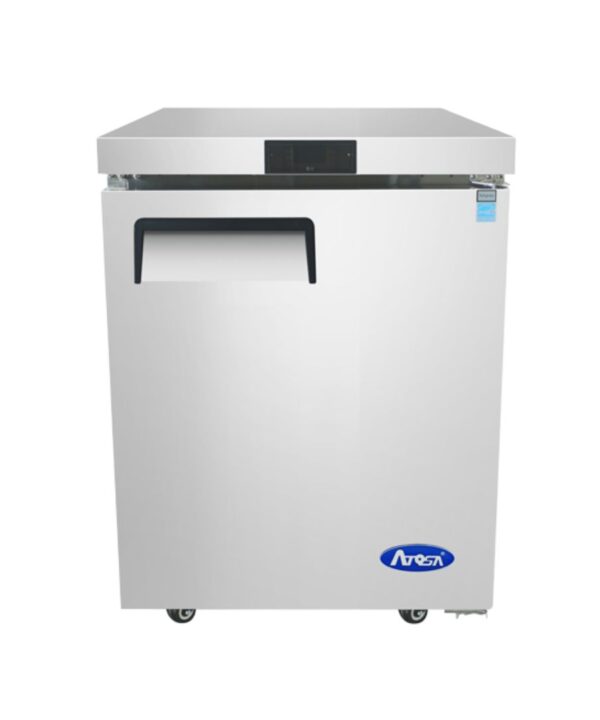
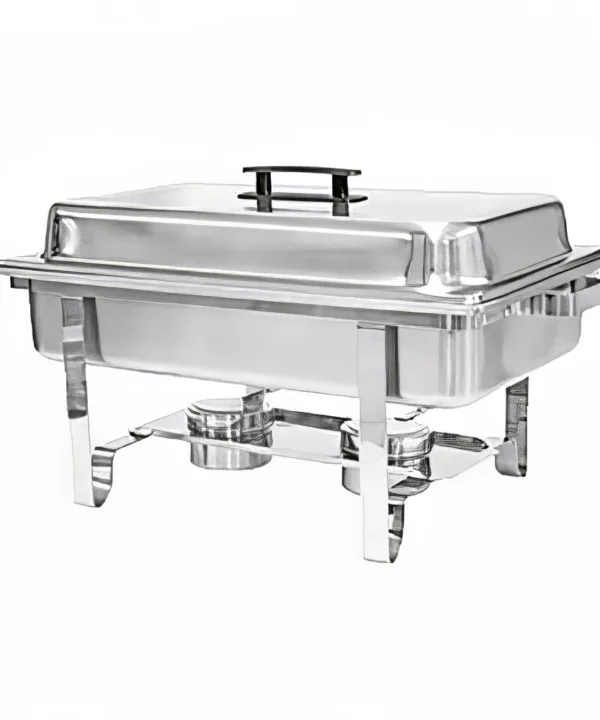
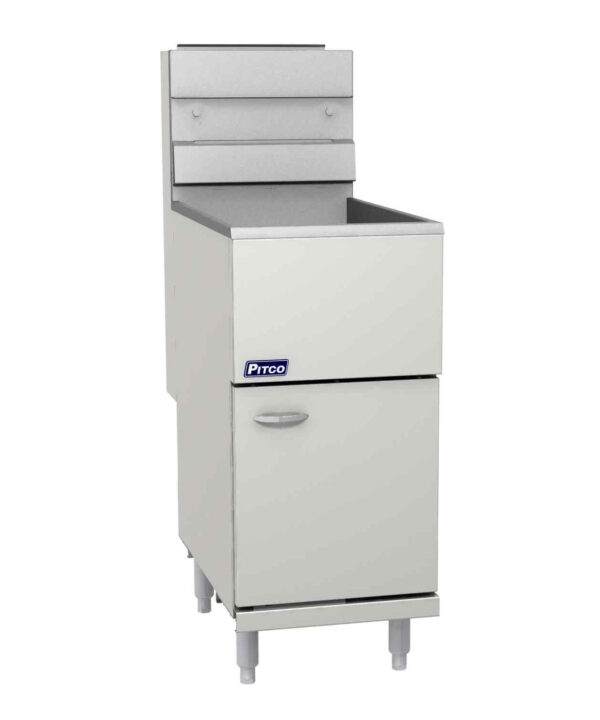
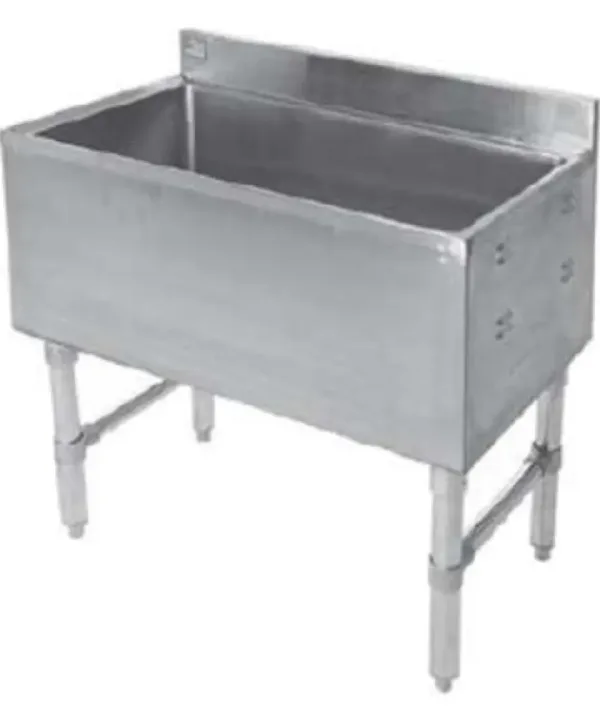
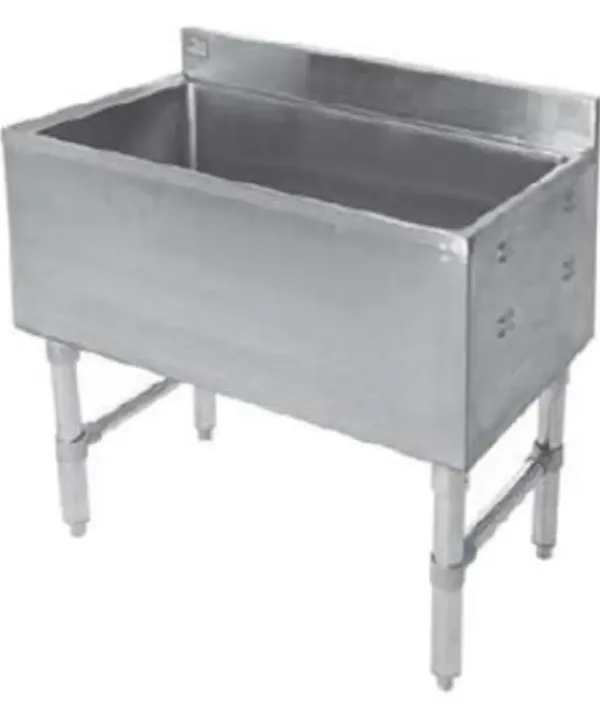
| Equipment & Kitchen Setup | $10,000 – $30,000 | Includes cooking equipment, refrigeration, etc. |
| Permits & Licenses | $1,000 – $5,000 | Varies by city/state regulations |
| Marketing & Branding | $2,000 – $10,000 | Initial branding, website, and social media campaigns |
| Operating Capital | $5,000 – $20,000 | For daily operations and unexpected costs |
Using financial planning tools and detailed budgeting templates can help ensure that every aspect of your food truck startup is financially viable.
Branding & Marketing: Making Your Food Truck Stand Out
Once the operational blueprint is in place, the next step in understanding how to start a food truck is establishing a powerful brand and executing effective marketing strategies.
Establishing Your Brand Identity
Branding is more than just a logo it’s the personality of your food truck business. A strong brand identity encompasses a memorable name, cohesive color schemes, and engaging visuals. Utilize RHQ Store’s branding services to design custom logos and marketing materials that resonate with your target audience. A well-crafted brand can drive word-of-mouth referrals and repeat business.
Building a Robust Online Presence
In today’s digital world, having a solid online presence is non-negotiable. When you consider how to start a food truck, building a website and active social media channels should be at the top of your checklist. Here are a few essential tactics:
- Website Development: Create a mobile-friendly website that showcases your menu, locations, and story.
- Social Media Marketing: Engage customers on platforms like Instagram and Facebook with high-quality images and behind-the-scenes content.
- Local SEO: Optimize your online content for local search terms such as “mobile food business” and “food truck near me” to capture local traffic.
Leveraging User-Generated Content and PR
Encouraging customer reviews and testimonials can significantly boost your food truck business. Invite customers to share their experiences on social media, and use email or SMS marketing to keep them informed about special promotions and events. Integrating these strategies helps create a community around your food truck and reinforces your reputation as a trusted mobile dining option.
Operational Essentials: Running a Successful Food Truck
Understanding the day-to-day operations is a critical component of learning how to start a food truck. Efficiency, technology, and customer experience are key factors that contribute to operational success.
Daily Operations and Staffing
Running a food truck involves managing a tight schedule and a lean team. When you plan how to start a food truck, consider these operational tips:
- Staffing: Hire employees who are not only skilled in food preparation but also in customer service.
- Operational Workflow: Streamline tasks from food preparation to sales, ensuring each team member knows their role.
- Time Management: Use scheduling software to optimize staff shifts and reduce downtime.
Technology and POS Systems for Efficiency
Investing in reliable technology is essential for any food truck startup. A modern POS system designed for food trucks can handle transactions, manage inventory, and even track customer data. RHQ Store provides cutting-edge POS solutions that integrate seamlessly with mobile operations, making it easier to track sales and optimize your business processes.
Managing Inventory, Supplies, and Customer Experience
Effective inventory management is key to keeping your food truck business running smoothly. Create a system that tracks ingredient usage and minimizes waste. Regularly update your menu based on customer feedback to maintain high satisfaction levels. Consider these best practices:
- Daily Inventory Checks: Regular monitoring to avoid shortages or overstock.
- Supplier Relationships: Establish reliable connections with local suppliers.
- Customer Feedback Loops: Use surveys and social media to gauge customer preferences and improve service.
Financial Planning: From Startup Costs to Long-Term Profitability
A thorough financial plan is indispensable when learning how to start a food truck. By clearly outlining the financial roadmap, you can ensure that your business remains sustainable from day one.
Breaking Down the Initial Investment
Before launching your food truck startup, it’s important to understand the initial costs involved. This includes the price of acquiring or leasing the truck, outfitting it with commercial-grade kitchen equipment, and securing all necessary permits. As illustrated in our cost table above, having a clear budget helps in setting realistic financial expectations.
Budgeting for Ongoing Expenses and Unexpected Costs
Operational costs such as fuel, maintenance, and ingredient supplies can add up quickly. Prepare for these expenses by establishing a reserve fund to manage unexpected costs. Financial discipline and regular audits of your expenditures will ensure that your food truck business stays profitable in the long run.
Funding Options and Financial Incentives
If you’re wondering how to start a food truck without breaking the bank, consider various funding sources such as small business loans, grants, or even crowdfunding. Research local and national programs that offer financial incentives to food truck startups. A well-prepared business plan that outlines your projected revenue and growth potential can be a persuasive tool when seeking investment.
Step-by-Step Roadmap to Launching Your Food Truck Business
For those who want a clear pathway on how to start a food truck, here’s a detailed step-by-step roadmap:
Step 1: Conceptualize Your Food Truck Idea
- Brainstorm creative themes and culinary concepts.
- Research competitors and target demographics to find a niche.
Step 2: Develop a Detailed Business Plan
- Include market research, financial projections, and a detailed operations plan.
- Create checklists for permits, equipment, and marketing.
Step 3: Secure Financing and Budget for Success
- Explore funding options such as loans, grants, or investor partnerships.
- Prepare detailed financial documents to attract investors.
Step 4: Acquire Your Truck and Essential Equipment
- Decide whether to buy or lease your food truck.
- Source quality kitchen equipment and technology solutions from RHQ Store to ensure a smooth launch.
Step 5: Set Up Your Brand and Digital Presence
- Develop your logo, website, and social media profiles.
- Use professional branding resources to create a memorable identity.
Step 6: Implement Technology and POS Solutions
- Integrate a modern POS system for efficient sales and inventory management.
- Ensure technology support for online ordering and customer engagement.
Step 7: Conduct a Test Run and Gather Feedback
- Organize a soft launch to test operations and gather customer feedback.
- Adjust your offerings and strategies based on real-time insights.
Step 8: Officially Launch and Promote Your Food Truck
- Use local advertising, social media campaigns, and press releases to announce your launch.
- Host events or promotions to attract initial customers.
Step 9: Monitor Performance and Optimize Operations
- Regularly review sales data and customer feedback.
- Adjust staffing, menu offerings, and marketing strategies accordingly.
Step 10: Scale Your Business and Explore Expansion Opportunities
- Consider expanding your fleet or adding catering services.
- Reinvest profits into marketing and operational enhancements to sustain growth.
Expert Insights & Lessons from Successful Food Truck Owners
Learning directly from experienced entrepreneurs is invaluable when discovering how to start a food truck. Real-world insights can help you navigate challenges and streamline operations.
Real-World Success Stories and Testimonials
Numerous food truck owners have transformed their culinary dreams into successful businesses. Case studies reveal that those who invest in solid planning and leverage technology (like RHQ Store’s POS systems) often enjoy higher profitability. These success stories serve as a testament to the potential of a well-executed food truck business plan.
Overcoming Common Challenges
Every food truck startup faces hurdles along the way. Here are some challenges and expert tips on how to overcome them:
- Weather and Environmental Factors: Adapt your schedule and plan for seasonal variations.
- Technology and Operational Hurdles: Invest in robust systems and train your staff regularly.
- Customer Trends and Menu Adaptations: Stay agile by monitoring customer feedback and market trends.
Your Journey to Food Truck Success Begins Now
In summary, understanding how to start a food truck involves meticulous planning, strategic branding, and efficient operations. By following this comprehensive guide, you are well on your way to launching a successful food truck business that is both innovative and profitable. Remember, integrating expert tools and resources from RHQ Store can significantly streamline your journey from securing essential equipment to managing cutting-edge POS systems.
Recap of Key Steps and Takeaways
- Develop a unique concept and comprehensive business plan.
- Secure permits, licenses, and necessary funding.
- Invest in technology and branding to stand out in the competitive food truck market.
- Learn from experts and continuously adapt your strategy based on feedback.
Your path to mastering how to start a food truck is filled with both challenges and immense opportunities. Embrace the journey with passion, strategic planning, and the right resources to achieve lasting success in the dynamic world of mobile dining.