















Starting a restaurant or upgrading its equipment is a significant financial commitment. One of the best ways to manage this expense is through restaurant equipment financing. This comprehensive guide will walk you through everything you need to know about restaurant equipment financing from the basics and benefits to different types of financing options available and how to apply. Even if you’re a new restaurant owner or looking to upgrade your kitchen and front-of-house equipment, this guide will help you make informed decisions to ensure your restaurant thrives without straining your budget. At rhq store, we specialize in providing high-quality commercial restaurant equipment and restaurant services, making it easier for you to get the equipment you need while managing your financials effectively.
What is Restaurant Equipment Financing?
Restaurant equipment financing is a financial solution that allows restaurant owners to acquire the necessary equipment without paying the full amount upfront. Instead, the cost is spread out over a set period of time, often with the option to purchase the equipment at the end of the lease or financing term.
Definition of Equipment Financing
At its core, equipment financing is a loan or lease agreement specifically designed to help businesses like restaurants acquire expensive equipment. It involves borrowing money to pay for the equipment, which is then repaid over a specified term. The equipment itself often acts as collateral, reducing the risk for lenders.
Types of Financing Available for Restaurant Equipment
There are two primary options for financing restaurant equipment:
- Equipment Loans: These loans provide the funds to purchase the equipment outright, and the equipment acts as collateral for the loan. Once the loan is paid off, the equipment belongs to the restaurant.
- Equipment Leasing: With leasing, the restaurant makes monthly payments for the use of the equipment. At the end of the lease term, the restaurant can either return the equipment, renew the lease, or sometimes buy the equipment at a reduced price.
How Financing Works in the Restaurant Industry
In the restaurant industry, financing allows owners to access essential equipment like ovens, refrigerators, or POS systems without draining their working capital. Financing terms, interest rates, and repayment schedules vary depending on the lender and the type of financing chosen.
Why Should You Consider Restaurant Equipment Financing?
Financing restaurant equipment is a smart choice for restaurant owners looking to grow their businesses while preserving cash flow. Here’s why it can be an excellent solution:
Benefits of Financing Restaurant Equipment for Business Growth
Restaurant equipment financing allows owners to acquire high-quality equipment without needing to wait until they have enough savings. This accelerates the operational setup, allowing restaurants to serve customers faster and increase efficiency, which contributes directly to business growth.
How Financing Improves Cash Flow and Budgeting
When restaurant owners finance their equipment, they can spread the cost over a period of time, rather than paying a lump sum. This creates room for more predictable budgeting, enabling owners to allocate funds to other areas of the business, such as marketing or staff training.
Advantages of Financing vs. Paying Cash
Paying upfront for restaurant equipment can deplete your cash reserves, leaving you without the necessary capital for day-to-day operations. Financing provides flexibility, allowing you to conserve cash while still obtaining the tools needed to run your restaurant.
Types of Restaurant Equipment You Can Finance
When it comes to financing your restaurant equipment, there are several categories of equipment that can be funded through loans or leases. Understanding the types of restaurant equipment you can finance can help you prioritize your needs and make more informed financial decisions. Here’s a look at some of the most common categories:
Commercial Kitchen Equipment
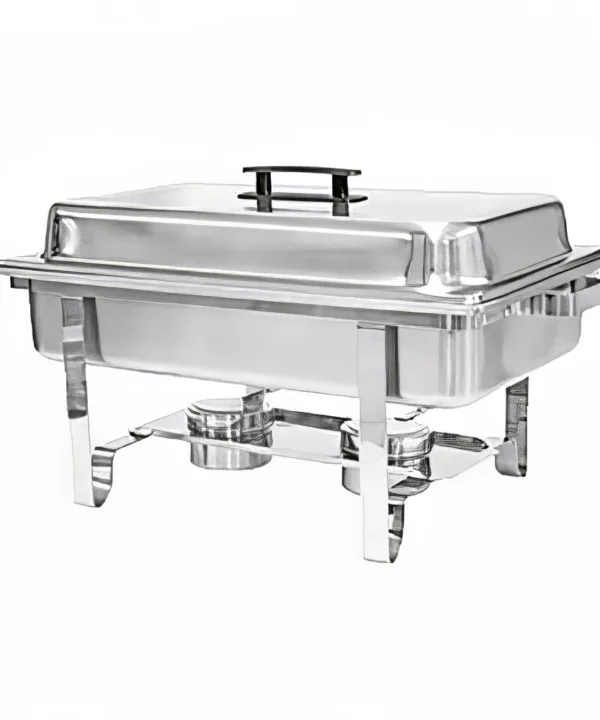
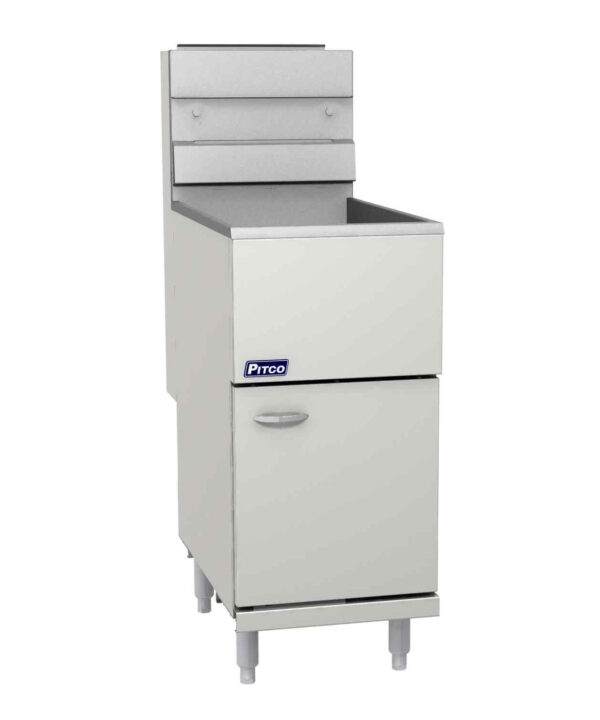
Commercial kitchen equipment, such as ovens, stoves, fryers, and grills, is essential to the success of any restaurant. These large and expensive items can often be financed, allowing you to equip your kitchen without depleting your funds. Financing restaurant kitchen equipment ensures that your kitchen runs smoothly while preserving working capital for other areas of the business.
Refrigeration and Freezers
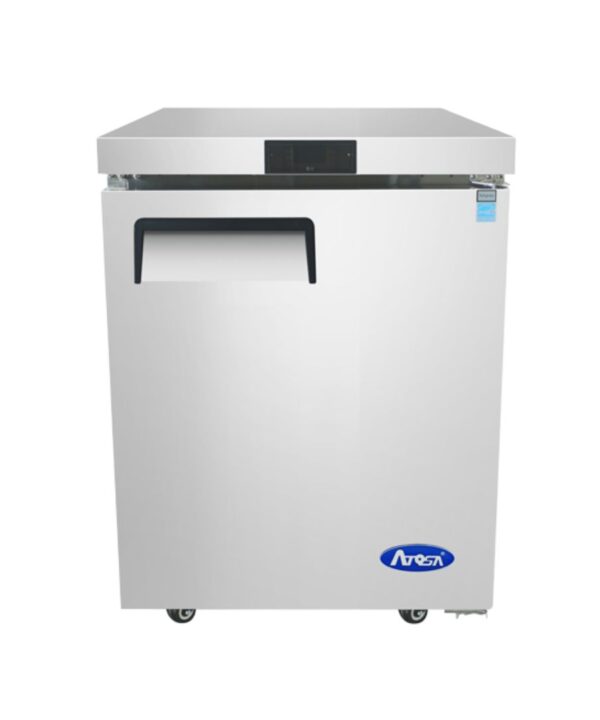
Having reliable refrigeration and freezers is crucial for maintaining food safety and quality. Whether you need walk-in coolers, display refrigerators, or freezers, these are major investments for your restaurant. With restaurant equipment leasing, you can finance refrigeration units and ensure your food stays fresh without putting a strain on your finances.
Restaurant Furniture and Fixtures
The ambiance of your restaurant is vital to attracting and retaining customers. From tables and chairs to lighting and décor, financing restaurant furniture and fixtures allows you to create a welcoming environment while keeping your capital intact. Leasing options for restaurant furniture can be flexible, allowing you to update your interior design without large upfront costs.
POS Systems and Technology
In today’s fast-paced world, point-of-sale (POS) systems and restaurant technology play a crucial role in streamlining operations and improving customer service. Financing POS systems allows you to stay ahead of the competition by integrating advanced technology into your restaurant. Many restaurant equipment lease options cover POS systems, making it easier for you to adopt the latest innovations.
Key Factors to Consider Before Applying for Restaurant Equipment Financing
Before you apply for restaurant equipment financing, it’s essential to evaluate several factors that will influence your financing options. Here’s a breakdown of the key steps to take before you move forward:
Assess Your Financial Health and Business Plan
Lenders will want to see a clear picture of your restaurant’s financial health. Having a well-structured business plan and financial documents, such as profit and loss statements, balance sheets, and tax returns, will be crucial in helping you secure financing. A solid financial foundation demonstrates your restaurant’s ability to repay the loan or lease.
Importance of Credit Score and Business History
Your credit score is one of the most important factors lenders consider when approving restaurant equipment financing. A higher credit score increases your chances of securing favorable financing terms. Additionally, lenders often look at your business history how long you’ve been in business, your track record of managing finances, and any previous loans or leases you may have had.
How to Evaluate Your Financing Options
There are various types of financing available, including loans, leases, and lines of credit. It’s essential to compare these options based on interest rates, loan terms, repayment schedules, and any associated fees. Finding the right fit for your restaurant’s financial needs will help you make the most out of your financing.
Can You Finance Restaurant Equipment with Bad Credit?
Many restaurant owners worry about securing financing for restaurant equipment due to low credit scores. While a low credit score may make it more challenging to obtain financing, there are still options available for financing restaurant equipment, even for those with bad credit. Let’s explore the possibilities:
What Financing Options are Available for Restaurants with Bad Credit?
Even with less-than-ideal credit, restaurant equipment financing is still within reach. Several lenders offer specialized programs for restaurant owners with bad credit, including restaurant equipment lease to own options and financing restaurant equipment through non-traditional lenders. These options may come with higher interest rates or different terms, but they offer the opportunity to acquire the necessary equipment to run your business.
Tips for Securing Financing with Low Credit
If you have bad credit but still want to secure financing, it’s essential to follow these tips:
- Consider Leasing: Many leasing restaurant equipment companies are more flexible when it comes to credit scores. Leasing allows you to rent the equipment for a set term and, in some cases, opt for a restaurant equipment lease to own agreement at the end of the lease period.
- Look into Alternative Lenders: Non-bank lenders often have more lenient credit requirements, and they specialize in restaurant equipment leasing for startups or businesses with bad credit. While their interest rates may be higher, they provide more accessible financing options.
- Offer Collateral: Some lenders may require collateral to secure the loan, especially if your credit score is low. Offering collateral, such as other business assets, can increase your chances of getting approved.
- Build Business Credit: If possible, work on improving your restaurant’s business credit score. Over time, your improved credit score can lead to better financing terms for future equipment purchases or upgrades.
How to Make the Most of Restaurant Equipment Financing for Startups
For startup restaurants, restaurant equipment financing for startups is an excellent way to acquire the essential kitchen hand tools and equipment needed to launch your business. Since startups often face limited capital, leasing is a viable option to acquire high-quality equipment without the need for a large initial investment. Additionally, some restaurant equipment leasing for startups offers flexible terms that can be adjusted as your business grows.
If you’re planning to lease restaurant equipment, be sure to understand the terms and conditions of the agreement, as well as any options to purchase the equipment down the line. The restaurant equipment lease to own structure can be a great option for new restaurant owners who may want to own the equipment outright after the leasing period ends.
The Benefits of Leasing Restaurant Equipment
Leasing restaurant equipment is a popular choice for many restaurant owners. It offers a range of advantages that can make running a restaurant more financially manageable. Let’s dive into why leasing can be a beneficial option for acquiring the equipment your restaurant needs.
Why Leasing Can Be More Affordable Than Purchasing
Leasing restaurant equipment often allows you to acquire essential tools for your kitchen or dining area with little to no upfront cost. Since you only pay for the equipment’s use over time, leasing offers lower initial payments compared to purchasing equipment outright. This means you can preserve your capital for other expenses, like marketing, staffing, or renovations. Whether you’re just starting or looking to expand, restaurant equipment leasing is a flexible option that helps you stay within budget.
Leasing vs. Buying: Pros and Cons
When deciding between leasing and buying restaurant equipment, it’s essential to weigh the pros and cons:
- Pros of Leasing:
- Lower upfront costs.
- Flexibility to upgrade equipment at the end of the lease term.
- Potential tax benefits (as lease payments are often deductible as operating expenses).
- No need to worry about depreciation of equipment.
- Cons of Leasing:
- Higher long-term cost compared to purchasing equipment outright.
- Equipment must be returned at the end of the lease term (unless there’s an option to buy).
Leasing is often more attractive for restaurants that need to keep equipment up-to-date without a major upfront investment. Whether it’s for high-cost items like ovens or refrigeration systems, restaurant equipment leasing can be an effective way to stay financially agile while running your business.
How Leasing Helps Mitigate Inflation Risks
Leasing restaurant equipment also helps protect your business from inflation and rising equipment costs. With a fixed lease term, the cost of your equipment remains stable despite market fluctuations. This provides predictability in your budgeting and allows you to avoid sudden increases in the cost of purchasing new equipment. Leasing is a smart financial strategy for restaurant owners looking to hedge against rising prices.
How to Apply for Restaurant Equipment Financing
Applying for restaurant equipment financing can seem daunting, but with the right preparation, it’s a straightforward process. Here’s a step-by-step guide to help you navigate the application process for financing restaurant equipment:
Preparing Your Application: What Documents Are Required?
Before you begin the application process, make sure you have the necessary documents ready. Lenders will typically ask for the following:
- Business Financial Statements: These include profit and loss statements, balance sheets, and income statements. Lenders will want to understand the financial health of your restaurant before approving financing.
- Tax Returns: Providing your most recent tax returns can give lenders insight into your revenue and business history.
- Credit Report: Your credit score and credit history are crucial factors in determining your eligibility for restaurant equipment financing. Having a clean credit report will improve your chances of approval.
- Business Plan: A solid business plan helps demonstrate how your restaurant will grow and succeed, making you a lower-risk investment for lenders.
How to Choose the Best Lender for Your Restaurant Equipment Needs
When applying for restaurant equipment finance, choosing the right lender is essential. Different lenders offer different terms, interest rates, and fees. Here’s how to make the best choice:
- Compare Terms and Rates: Take the time to compare various lenders and financing options. Look at interest rates, loan terms, repayment schedules, and any additional fees.
- Reputation and Reviews: Research the lender’s reputation. Look for reviews and testimonials from other restaurant owners to ensure the lender is trustworthy and reliable.
- Lender Specialization: Some lenders specialize in restaurant equipment leasing or loans, offering better terms and more experience in the restaurant industry. Opt for lenders who understand the unique needs of your business.
The Application Process: What to Expect
Once you’ve prepared your documents and chosen a lender, the application process will begin. Here’s what to expect:
- Submit Your Application: Complete your application online or in-person with the lender, providing all the necessary documentation.
- Wait for Approval: After submission, the lender will review your financial information and decide whether to approve your application. This process can take anywhere from a few days to a few weeks, depending on the complexity of the application and the lender’s review process.
- Receive Terms and Sign Agreement: If approved, the lender will offer financing terms. Review the terms carefully, ensuring they align with your business’s needs. Once you’re satisfied, sign the agreement, and the funds or lease terms will be provided.
What Are the Tax Benefits of Financing Restaurant Equipment?
One of the lesser-known advantages of restaurant equipment financing is the potential for significant tax savings. Understanding the tax benefits can help you make a more informed decision about financing your restaurant’s equipment. Here’s a closer look at how financing your equipment can impact your taxes:
Section 179 Deduction for Restaurant Equipment
The Section 179 deduction is a tax benefit that allows businesses, including restaurants, to deduct the full purchase price of qualifying equipment in the year it was acquired, rather than depreciating the cost over several years. This deduction applies to equipment purchases and certain types of property, such as restaurant kitchen equipment, refrigeration units, and POS systems.
For restaurant owners, restaurant equipment leasing and financing may still qualify for the Section 179 deduction, allowing you to write off the full amount of the equipment’s cost in the same year. This can result in significant tax savings, helping to offset the expense of acquiring necessary equipment.
How Financing Can Help You Save on Taxes
When you finance restaurant equipment, the interest paid on the loan may be deductible as a business expense. Additionally, leasing restaurant equipment can also provide tax benefits, as lease payments are generally considered a business expense and may be deductible as well. This can reduce your taxable income, resulting in lower taxes for the year.
Important Considerations for Maximizing Tax Benefits
To take advantage of these tax benefits, it’s crucial to:
- Consult a Tax Professional: Before making any decisions, consult with a tax advisor or accountant to ensure you’re fully informed about how the Section 179 deduction applies to your specific situation and how to maximize your tax savings.
- Understand the Limits: There are limits to how much you can deduct under Section 179 each year. As of 2025, businesses can deduct up to $1.16 million on qualifying equipment purchases, though this limit can vary based on your restaurant’s total expenditures.
By financing your restaurant equipment, you not only preserve cash flow but also benefit from tax advantages that can support your business’s financial health in the long run.
Expert’s Suggestions: Make the Right Decision for Your Restaurant Equipment Financing
When it comes to financing restaurant equipment, making the right decision is critical for the success of your restaurant. Whether you’re looking to lease, buy, or finance restaurant equipment, your choice will impact your business’s financial health, cash flow, and long-term growth potential. Here are some expert suggestions to guide you through the decision-making process:
1. Understand Your Business Needs and Financial Health
Before you dive into any financing options, assess the financial health of your restaurant. Review your cash flow, current debts, and overall financial stability. Make sure your decision aligns with both your short-term needs and long-term goals. If you have a limited budget, leasing restaurant equipment or opting for a restaurant equipment lease to own might be more manageable. However, if you’re looking to own equipment outright and have the necessary funds, financing could be the best option.
2. Leverage Tax Benefits
Financing or leasing restaurant equipment comes with valuable tax benefits, such as deductions under Section 179. Be sure to consult with your accountant to determine the most tax-efficient way to finance your equipment. The savings on taxes could offset a large portion of your financing costs, making it an even more attractive option.
3. Compare Financing Options Carefully
There are various ways to finance restaurant equipment, from traditional loans to alternative lending options like restaurant equipment leasing for startups. Be sure to compare the interest rates, repayment terms, and total cost of each option. Opting for flexible financing solutions, such as restaurant equipment leasing or restaurant equipment finance, can help you preserve cash flow and enable you to upgrade equipment as needed.
4. Don’t Overextend Your Budget
While it may be tempting to finance top-of-the-line equipment, it’s essential to be mindful of your restaurant’s budget. Only finance the equipment that’s necessary for daily operations and growth. Overextending yourself financially can lead to challenges in making payments, which can affect your restaurant’s ability to operate smoothly.
5. Work with a Trusted Lender
Choosing the right lender is crucial to securing the best terms. Look for lenders who specialize in restaurant equipment financing, as they will have a better understanding of the unique needs of your business. Lenders offering restaurant equipment lease to own programs or those who provide flexible repayment plans are often ideal for restaurant owners.
6. Explore Financing Options for Startups
If you are just starting your restaurant, look into restaurant equipment financing for startups or leasing restaurant equipment for startups. These options are designed to help new businesses secure the equipment they need without draining their initial capital. Startups may also benefit from more lenient credit requirements or flexible leasing terms.
Making the right financing decision involves understanding your options, evaluating your business’s financial situation, and working with trusted lenders. Remember, the goal is to keep your restaurant running smoothly and efficiently while protecting your bottom line.