





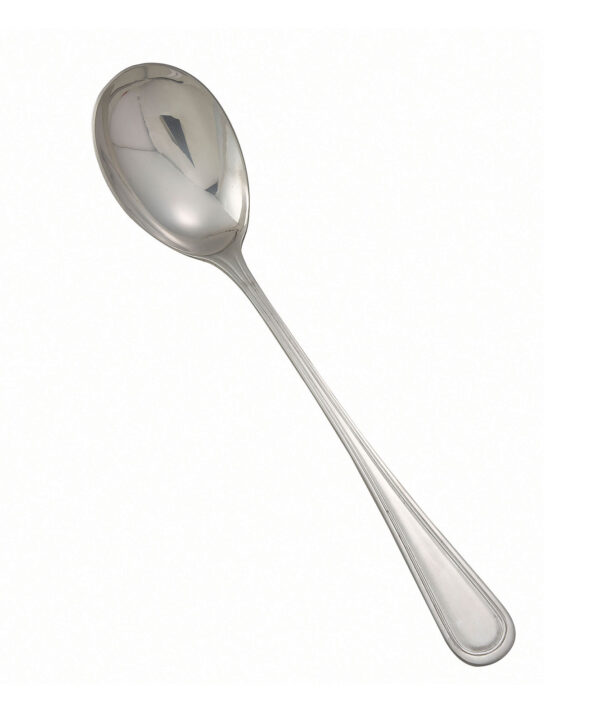








Understanding the types of flatware used in food and beverage service is crucial for both commercial kitchens and home dining settings. In this comprehensive guide, we explore what flatware is, the various types of flatware available including differences in stainless steel grades like 18/10, 18/8, and 18/0 and key factors such as flatware weight and design. If you’re in the market for premium stainless steel flatware for a restaurant or simply want to know what is flatware for everyday use, this guide is designed to help you make informed decisions. At RHQ Store, we offer a curated selection of commercial restaurant supplies, including high-quality dining utensils and flatware that meet the highest standards of performance and style.
Introduction: The Importance of Quality Flatware
Quality types of flatware are essential in any dining setting. Not only does your flatware play a significant role in the presentation and aesthetic appeal of your table settings, but it also impacts the overall dining experience. Understanding what is flatware and the various types of flatware available is the first step in creating a cohesive and elegant presentation. High-quality stainless steel flatware is prized for its durability, ease of cleaning, and timeless design. In the food service industry, selecting the right types of flatware can enhance both the visual appeal and the functionality of your table settings. Whether you operate a busy restaurant or host intimate dinner parties at home, investing in the best commercial restaurant supplies such as premium flatware from RHQStore is a decision that pays off every day.
Exploring the Different Types of Flatware
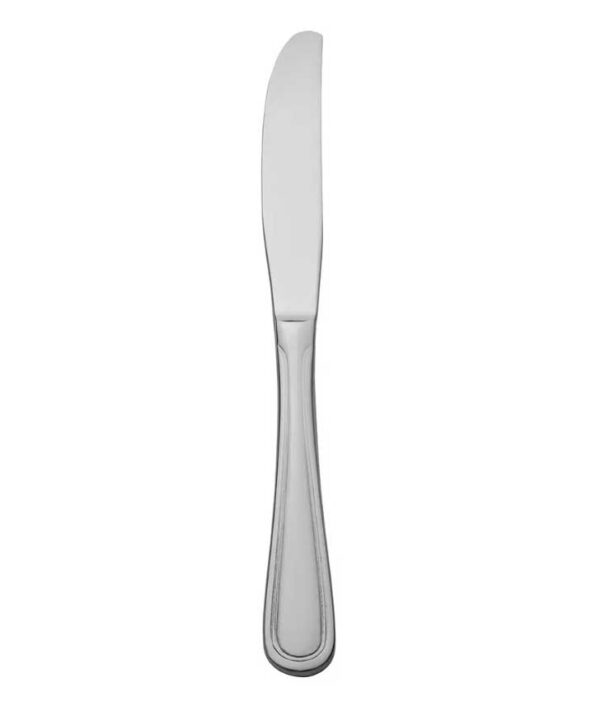
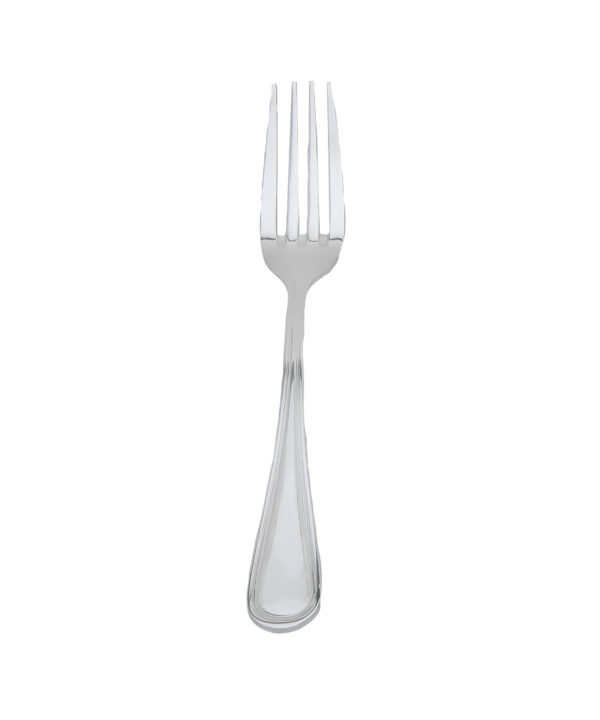
When we talk about types of flatware, we refer to a broad range of dining utensils that include forks, knives, spoons, and specialty items used for specific culinary purposes. Understanding what is flatware involves knowing the distinctions between various materials and designs that cater to different uses.
What Is Flatware?
What is flatware? Flatware refers to the utensils used for eating and serving food. This category includes items such as dinner forks, knives, soup spoons, salad forks, and dessert spoons. High-quality stainless steel flatware is a popular choice because of its strength, hygienic properties, and ability to maintain a polished look even after repeated use.
Stainless Steel Flatware: Grades and Differences
One of the most common questions regarding types of flatware is understanding the differences between various grades of stainless steel. Here’s a quick breakdown:
What Does 18/10 Stainless Steel Mean?
18/10 stainless steel flatware is considered premium, with 18% chromium and 10% nickel. This composition provides excellent resistance to corrosion and a bright, attractive finish.
What Does 18/8 Stainless Steel Mean?
18/8 stainless steel flatware offers similar qualities to 18/10, with slightly less nickel. It remains highly durable and is widely used in both commercial and home settings.
What Does 18/0 Stainless Steel Mean?
18/0 stainless steel flatware contains no nickel, making it less resistant to corrosion compared to 18/8 or 18/10. However, it is a more affordable option and still popular in many applications.
What Does 13/0 Stainless Steel Mean?
Although less common, 13/0 stainless steel may be used in specialized applications where cost is a critical factor.
Quality and Weight Considerations for Flatware
Selecting the right types of flatware involves more than just material; weight and construction are also critical factors. Flatware weight can indicate the durability and quality of the utensils. Here are the classifications:
- Forged Flatware: Typically the highest quality, forged flatware is crafted from a single piece of metal, offering excellent balance and durability.
- Extra Heavy Weight Flatware: Ideal for busy restaurants, this flatware withstands rigorous daily use.
- Heavy Weight Flatware: Provides a substantial feel and is preferred in upscale dining for its luxurious heft.
- Medium Weight Flatware: A balanced option for both commercial and home use, combining durability with ease of handling.
The following table compares these options:
| Type of Flatware | Quality | Ideal Use |
| Forged Flatware | Premium | High-end dining, restaurants |
| Extra Heavy Weight Flatware | Very Durable | Commercial kitchens |
| Heavy Weight Flatware | Robust | Upscale dining |
| Medium Weight Flatware | Balanced | General everyday use |
Functional Uses: Types of Flatware and Their Applications
Different types of flatware serve various purposes. Choosing the right flatware can elevate the dining experience by ensuring that each utensil is used appropriately.
- Everyday Dining: Standard sets for casual dining, including forks, knives, and spoons.
- Formal Dining: Specialized pieces that offer an elegant presentation, such as dessert spoons and salad forks.
- Buffet and Family Style: Durable and easy-to-clean flatware that can withstand frequent washing.
- Specialty Utensils: Items such as fish forks or soup spoons designed for specific culinary tasks.
Understanding what is flatware in these contexts helps you select pieces that meet both aesthetic and functional needs. Our premium commercial restaurant supplies at RHQStore include a curated collection of dining utensils and flatware that are perfect for any setting.
Maintenance and Care: How to Clean Stainless Steel Flatware
Keeping your stainless steel flatware in pristine condition is crucial. Proper cleaning techniques ensure that your flatware remains safe, hygienic, and visually appealing. Follow these steps for optimal care:
- Regular Washing: Use a mild detergent and warm water to clean your flatware after each use. Avoid harsh chemicals that may damage the finish.
- Dishwasher Safe: Most stainless steel flatware is dishwasher safe, but it’s best to check the manufacturer’s guidelines.
- Polishing: Occasionally polish your flatware with a stainless steel cleaner to restore its shine.
- Avoid Abrasives: Use soft sponges or cloths to prevent scratches that could harbor bacteria.
- Proper Storage: Store flatware in a dry, clean place to avoid tarnishing and ensure longevity.
These cleaning stainless steel flatware tips are essential for maintaining your types of flatware in excellent condition, whether used in a high-traffic restaurant or at home.
How to Calculate Standard Flatware Usage Quantities
Determining the correct quantity of types of flatware for your restaurant is important for both efficiency and cost management. Use the following guidelines to help you calculate standard flatware usage:
- For Casual Dining: Typically, one complete set per guest is recommended.
- For Fine Dining: Consider having an extra set for courses like dessert and salad.
- Buffet Settings: Multiple sets per table may be necessary, depending on guest turnover.
Standard Usage Chart
| Dining Setting | Forks | Knives | Spoons | Additional Utensils |
| Casual Dining | 1 set | 1 set | 1 set | 2 per table |
| Fine Dining | 2 sets | 2 sets | 2 sets | 3 per table |
| Buffet/Family Style | 1 set | 1 set | 1 set | 2-3 per table |
This chart is a useful reference for managing commercial restaurant supplies and ensuring you have the right amount of types of flatware on hand.
Flatware Pattern Comparison
Different patterns and designs in types of flatware can affect the overall dining experience. Consider comparing the following:
- Classic vs. Modern Designs:
Classic designs often feature intricate details and a timeless appeal, while modern patterns focus on simplicity and functionality. - Pattern Durability:
Some patterns are more prone to scratches and wear. Opt for designs that maintain their elegance over time.
A brief comparison can be summarized as:
| Design Type | Aesthetic Appeal | Durability | Ideal for |
| Classic | High | Moderate | Fine dining, formal events |
| Modern | Moderate | High | Casual dining, commercial use |
| Minimalist | Simple, sleek | Very High | Busy restaurants |
Final Insights on Types of Flatware
In conclusion, understanding the types of flatware available and selecting the right options is essential for enhancing both the functionality and aesthetics of your dining service. By exploring various materials such as stainless steel flatware including specific grades like 18/10, 18/8, and 18/0 along with considerations for weight, design, and maintenance, you can create an outstanding dining experience. Proper care through effective cleaning techniques and thoughtful storage ensures your flatware remains in optimal condition. For the best commercial restaurant supplies and premium dining utensils, visit RHQ Store and explore our curated collection. Elevate your service with high-quality flatware that combines style, durability, and functionality.