In an ever-evolving landscape of innovative solutions, the emergence of ice storage systems has catalyzed a revolutionary stride in the food service industry’s pursuit of sustainability and efficiency. The “Benefits of Ice Storage for The Foodservice Business” transcend conventional cooling methodologies, ushering in an era of resourcefulness and environmental responsibility. As the world pivots towards eco-conscious practices, these groundbreaking systems not only store energy for future use but also redefine cooling operations to align with green initiatives and amplify cost-effectiveness.
Embracing the Essence of Ice Storage

Understanding the Essence
The essence of ice storage lies in its divergence from traditional air conditioning and cooling mechanisms. Designed to deliver effective cooling while drastically curbing electricity consumption and greenhouse gas emissions, this system operates as a form of thermal energy storage. Leveraging the transformation of water from liquid to solid (freezing) and vice versa, ice storage harnesses the inherent energy fluctuations to store and subsequently release cooling energy. A pivotal distinction is its capability to capture surplus energy generated during off-peak hours and utilize it to cool surroundings during peak demand periods.
Environmental Commitment
In an era where sustainable practices are paramount, the ice storage system emerges as an embodiment of eco-friendliness. By utilizing smaller chillers and consuming reduced amounts of refrigerants, it mitigates environmental harm. The choice of ozone-friendly refrigerants further exemplifies its commitment to a greener future, aligning seamlessly with global green initiatives.
Unraveling the Benefits
The benefits of ice storage systems, as discussed below, resonate emphatically within the food service business landscape, prompting business owners to invest in this avant-garde technology.
A Glimpse into the Realm of Advantages

Budget-Friendly and Resourceful
The shift towards ice storage entails a strategic utilization of energy during off-peak hours, resulting in substantial utility cost savings. Additionally, the excess heat produced during the cooling process can be harnessed to heat water, presenting a dual-pronged approach to energy optimization.
Embracing Eco-Friendliness
Apart from its energy efficiency, ice storage significantly reduces the consumption of refrigerants due to its smaller chiller units. This reduction in refrigerant usage is crucial in minimizing the environmental impact, aligning with the principles of sustainability and responsible resource management.
Extended Cooling Durability
An inherent advantage of ice storage systems lies in their ability to provide extended periods of cooling. This resilience plays a pivotal role in buffering against potential equipment breakdowns, preventing abrupt temperature spikes and safeguarding consistent cooling within the environment.
Space Efficiency
In a commercial setting where space is of the essence, the compact nature of ice storage systems offers a distinct advantage. The diminutive size of chillers, pumps, and associated components translates into a reduced spatial footprint, optimizing the utilization of available space within establishments.
Financial Feasibility
While the cost variance might not be astronomical, opting for ice storage over conventional alternatives can yield cost savings over time. Moreover, the possibility of securing local loans for eco-friendly solutions further sweetens the deal, incentivizing sustainable investments.
Seamless Maintenance
Streamlined maintenance processes stand as a hallmark of ice storage systems. The presence of easily cleanable and maintainable components ensures operational longevity and minimizes downtime, a crucial aspect in the foodservice industry’s fast-paced environment.
Flexibility and Reliability
The duality of flexibility and reliability inherent in ice storage systems stems from their ability to provide free cooling periods. This inherent flexibility ensures a smoother shutdown process and serves as a safety net during short-term equipment malfunctions, preventing business disruptions.
Demystifying the Operational Dynamics

Charging and Discharging: A Synchronized Symphony
The operational cadence of ice storage systems is orchestrated through two pivotal stages: charging and discharging.
Charging Stage: Maximizing Efficiency
During the charging stage, ice storage systems leverage chillers to create ice during off-peak nighttime hours. Capitalizing on the lower electricity demand and ambient temperature, this stage ensures energy-efficient ice production, a cornerstone in the pursuit of sustainability and cost-effectiveness.
Discharging Stage: Unleashing Cooling Potential
When demand for cooling surges during business hours, the ice produced overnight comes into play. Through pumps and pipes, the melted ice is distributed throughout the environment, delivering a comprehensive and sustained cooling effect. This operational approach not only optimizes electricity consumption but also harnesses the melting water for reuse in subsequent cycles.
Ice Storage vs. Chilled Water Storage: A Comparative Analysis
Navigating the Nuances
Distinguishing between ice storage and chilled water storage is pivotal in comprehending the subtleties of thermal energy storage systems. While both systems share the common objective of off-peak energy production and peak-hour energy utilization, their modus operandi diverges based on the medium employed.
Essence of Ice Storage
Ice storage, as previously elucidated, capitalizes on the latent heat of fusion, transforming water into ice during low-demand periods. This latent heat property enhances the system’s efficiency, rendering it superior to chilled water storage.
Chilled Water’s Premise
Chilled water storage, on the other hand, employs chilled water for energy storage. Although relatively easier to implement, it lags behind ice storage in terms of efficiency. This can be attributed to water’s lower specific heat capacity compared to ice’s latent heat of fusion.
Embracing a Sustainable Future Through Ice Storage
In an era marked by a collective call for sustainable practices, the adoption of ice storage systems stands as a testament to the foodservice industry’s commitment to evolution. The multi-faceted benefits, ranging from fiscal prudence to environmental stewardship, underscore the transformative potential of this technology. By transitioning to ice storage systems, businesses can unlock energy optimization, cost savings, and a resilient approach to cooling that harmonizes with a cleaner and more sustainable future.
As we forge ahead into uncharted territories of innovation and environmental consciousness, the embrace of ice storage heralds not only a paradigm shift but also an assertion of our responsibility towards a greener tomorrow. The convergence of technology, eco-friendliness, and efficiency propels the foodservice industry towards a horizon where sustainable practices not only define success but also inspire it.
Intrigued by the potential of energy-efficient solutions? Explore our comprehensive blog for further insights into optimizing your establishment’s equipment and operations for a more sustainable and prosperous future.

 Atosa MSF8304GR 72″ 3-Door Sandwich / Salad Prep Table$3,140.00
 Atosa MSF8303GR 60″ 2-Door Sandwich / Salad Prep Refrigerator$2,652.00
 Atosa MSF8308GR 72″ Mega Top Sandwich / Salad Prep…$3,384.00
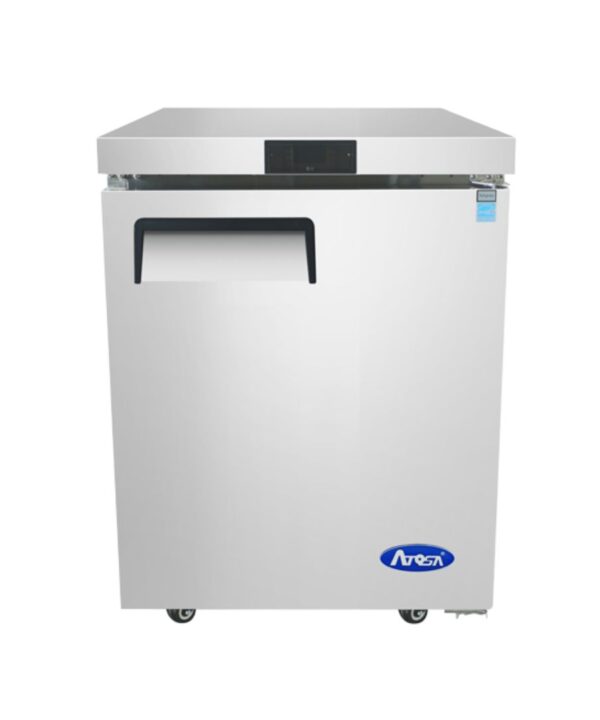 Atosa MGF24FGR 24″ Undercounter Freezer, 4.8 cu. ft. Original price was: $2,265.00.$1,632.00Current price is: $1,632.00.



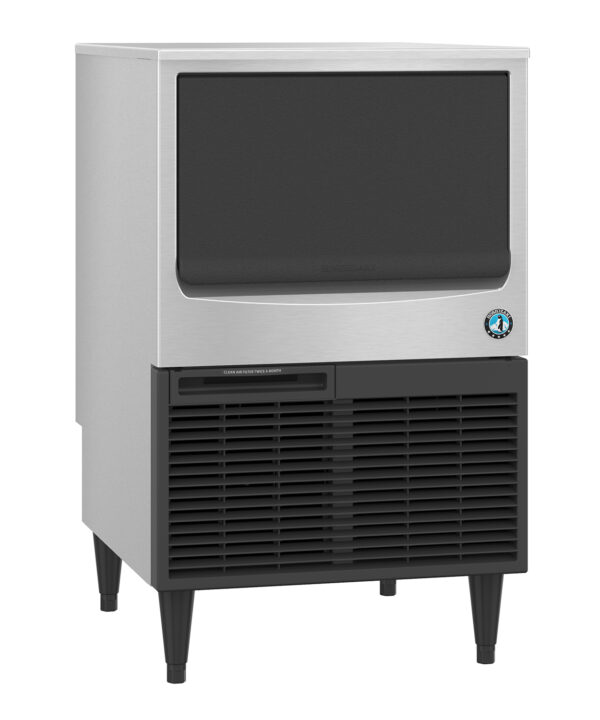 Hoshizaki KM-116BAJ 125 lb Crescent Cube Ice Maker with…$3,025.00
 Klinger’s Trading IC1848 Ice Storage Bin 48″W X 18″D… Original price was: $1,481.00.$905.00Current price is: $905.00.
 Klinger’s Trading IC1824-CP Underbar Ice Chest with 7-Circuit Cold… Original price was: $2,165.00.$1,323.00Current price is: $1,323.00.
 Klinger’s Trading IC1824 24″ x 18″ Underbar Ice Bin… Original price was: $1,052.00.$644.00Current price is: $644.00.





 Winco BTW-30 White Bar Towel, 16 x 19 in.…$23.82
 Winco GHC-24 24″ Single-Channel Wire Glass Hanger Rack$19.79
 Winco CO-301 Stainless Steel Flat Bottle Opener, 7″$18.04
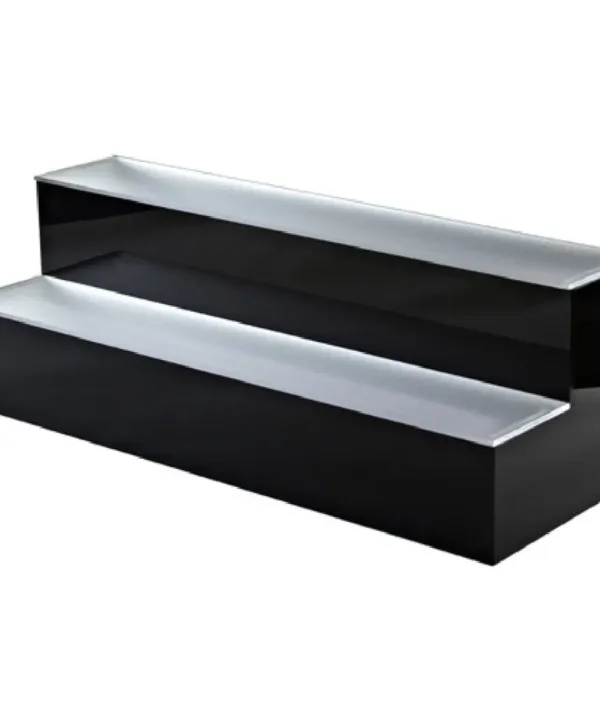 Krowne KR-2T36-L Royal Series 2-Tier Countertop LED Lighted Liquor… Original price was: $1,872.00.$1,029.60Current price is: $1,029.60.
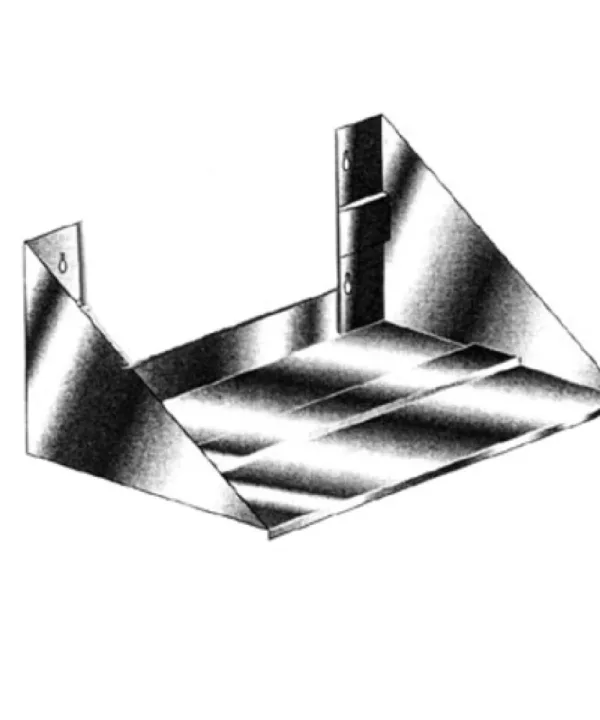 Klinger’s Trading MCS2424 Wall-Mounted Microwave Shelf – 24 x… Original price was: $345.00.$210.00Current price is: $210.00.
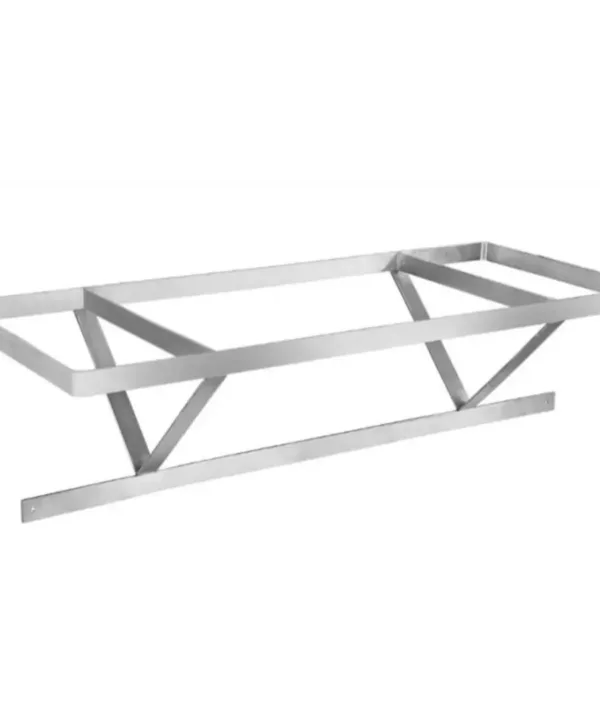 Klinger’s Trading SC60 60 Inch Ceiling-Mounted Pot Rack with… Original price was: $1,209.00.$740.00Current price is: $740.00.
 Klinger’s Trading SC36 36 Inch Ceiling-Mounted Pot Rack with… Original price was: $1,001.00.$615.00Current price is: $615.00.