


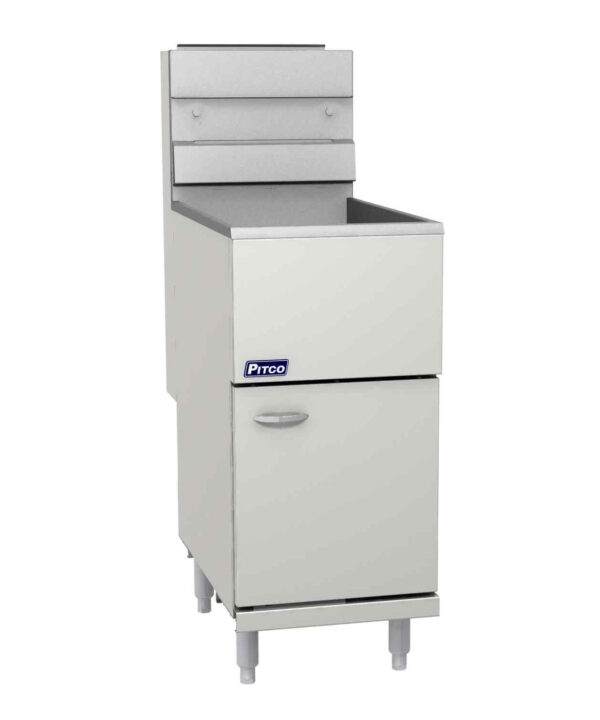
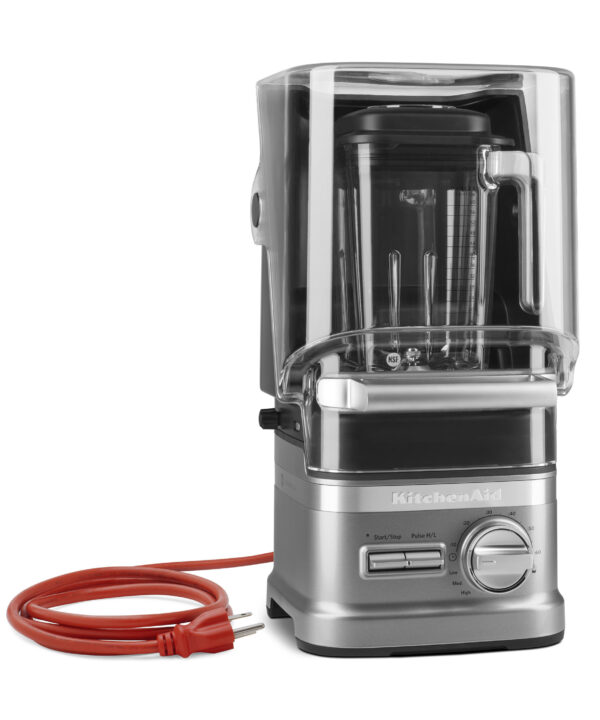

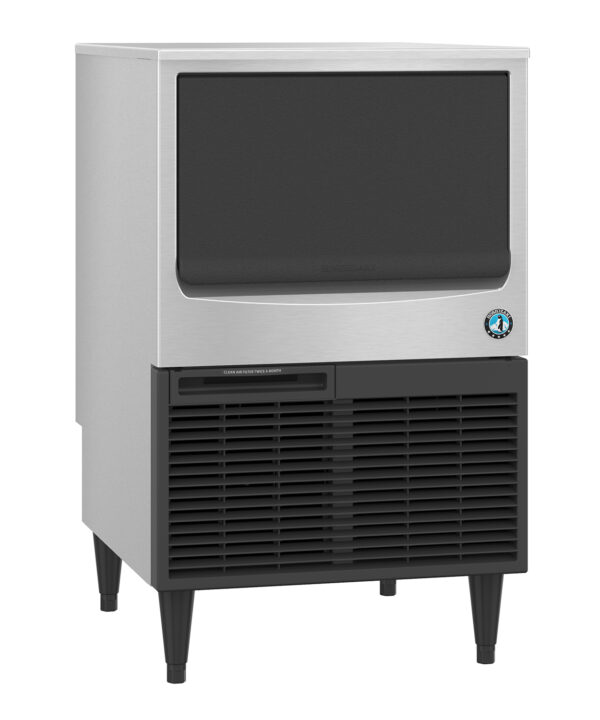
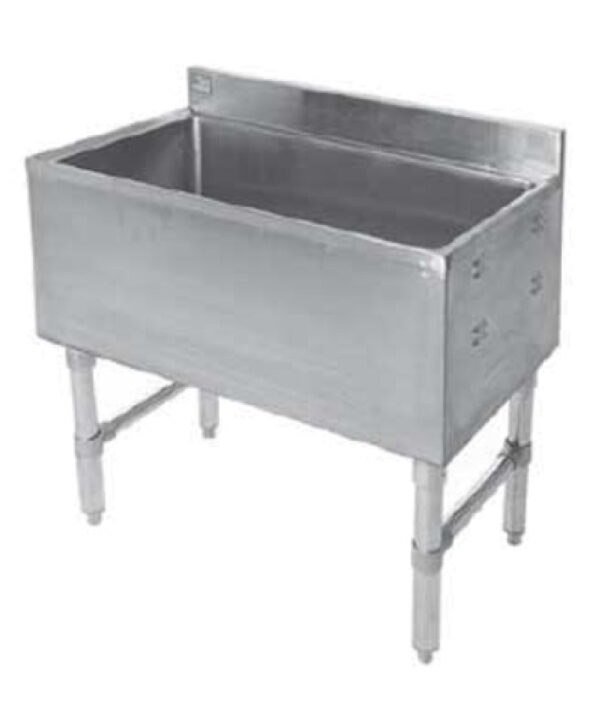
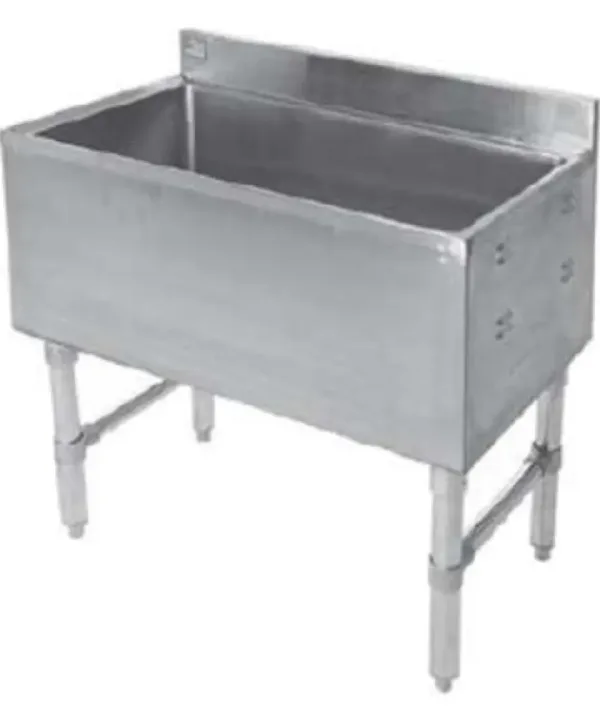
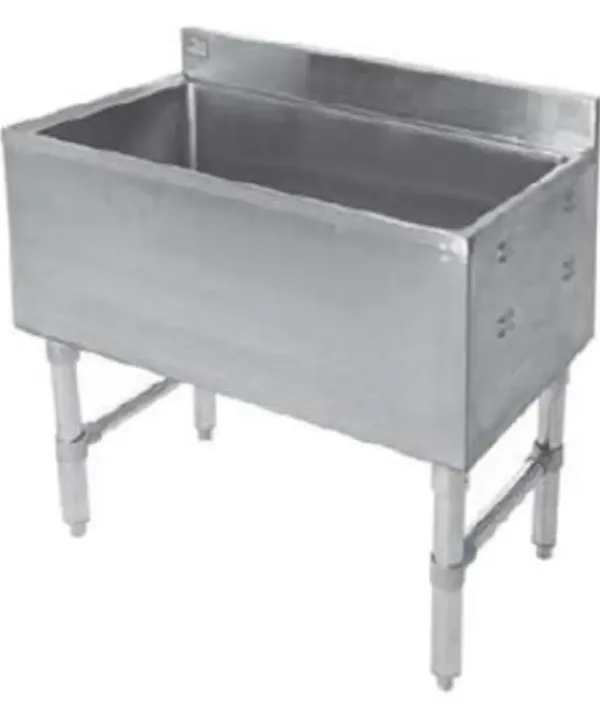




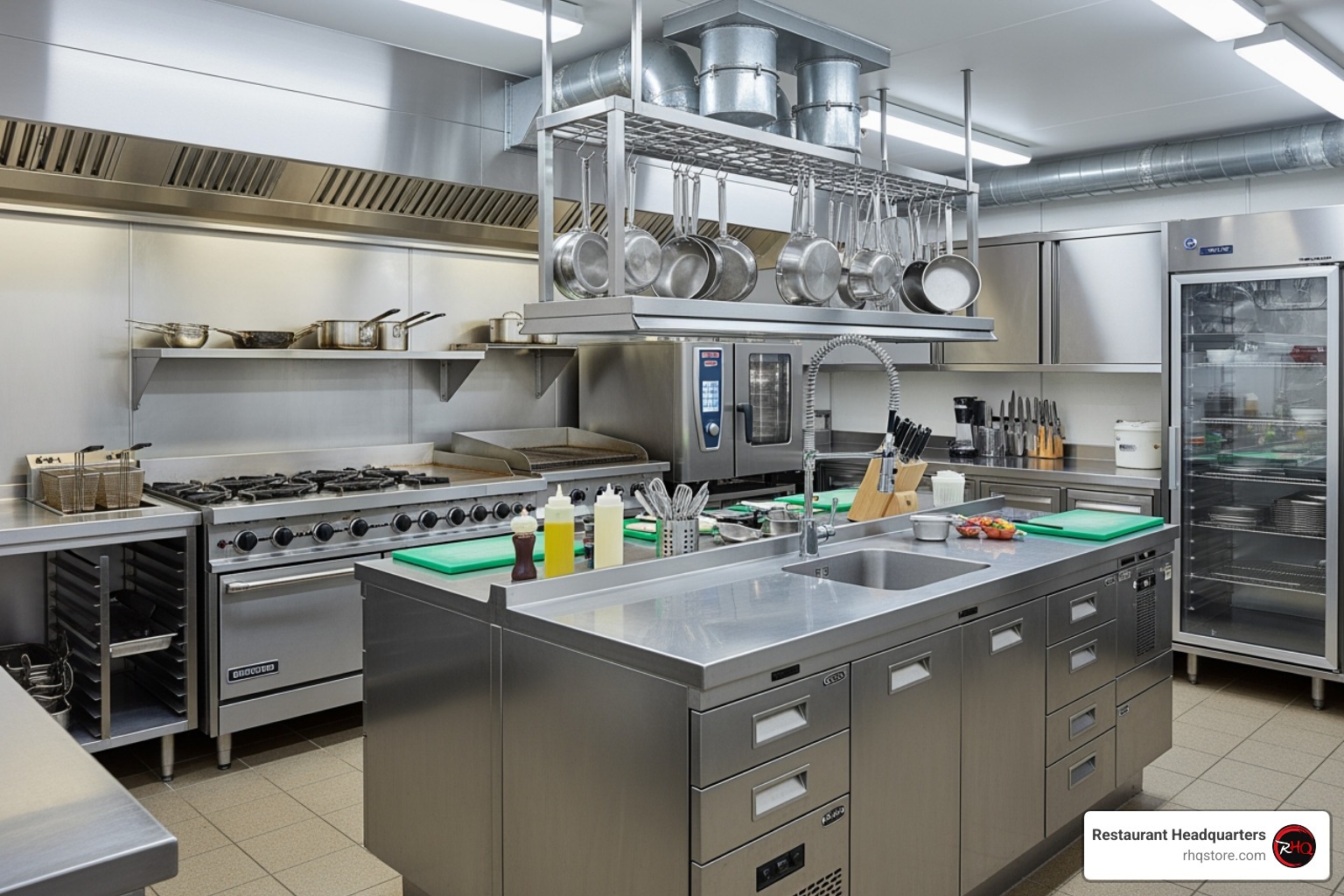
Commercial grade stainless steel is the backbone of professional kitchens, food processing facilities, and countless industrial applications. It’s not just one type of metal—it’s a category of steel alloys specifically engineered to handle harsh environments, resist corrosion, and maintain hygiene standards that regular steel simply can’t match.
Here’s what defines commercial grade stainless steel:
- High chromium content (typically 16-18%) that forms a protective oxide layer
- Corrosion resistance to water, acids, salts, and food compounds
- Non-porous surface that prevents bacterial growth and is easy to sanitize
- Durability to withstand heavy use, high temperatures, and impacts
- Food-safe composition that won’t react with or contaminate food
- Common grades include 304 (18/8), 316, and 430 stainless steel
Unlike regular steel that rusts when exposed to moisture, commercial grade stainless steel uses its chromium content to create an invisible protective barrier. This makes it ideal for restaurant equipment, prep tables, sinks, shelving, and food storage—anywhere cleanliness and longevity matter.
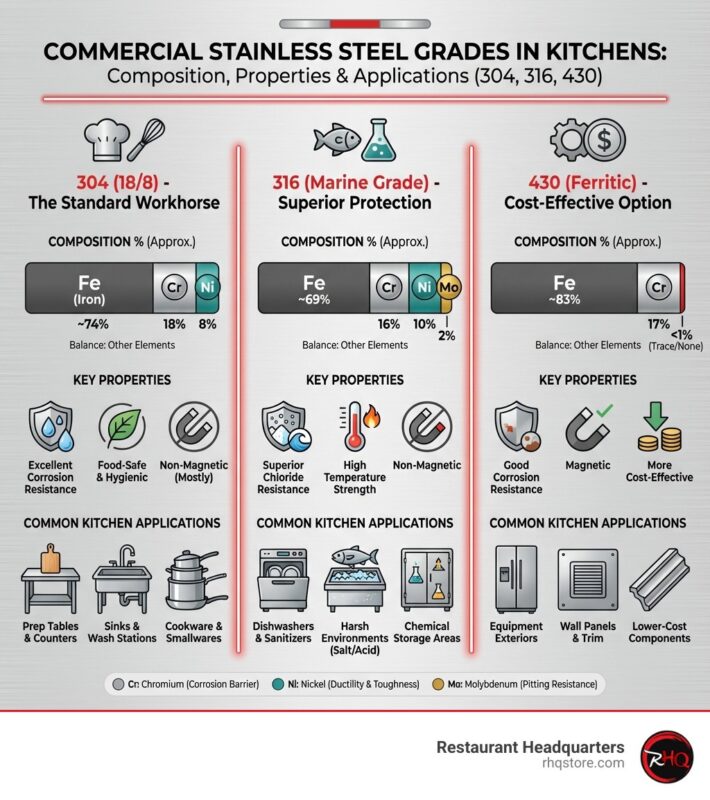
The most popular grade is 304 stainless steel (also called 18/8), which contains 18% chromium and 8% nickel. It offers excellent corrosion resistance and tensile strength of about 621 MPa. For environments with salt or chlorides, 316 stainless steel adds molybdenum for even better protection.
I’m William Chen, CEO of Restaurant Headquarters in Dallas, and over the past decade I’ve sourced, fabricated, and installed commercial grade stainless steel equipment in more than 1,000 restaurant projects across Texas.
Through our 45,000 sq ft facility, we’ve seen how choosing the right grade and gauge of stainless steel can cut long-term costs while improving kitchen efficiency and food safety.
Decoding “Commercial Grade”: What It Really Means
When we talk about “commercial grade stainless steel,“ it’s easy to assume it’s a specific, officially recognized classification. However, the terms “commercial grade” and “regular” stainless steel aren’t formal industry designations.
Instead, they broadly refer to a range of stainless steel alloys specifically chosen for their “superior performance” in demanding professional environments. The distinction lies not in a single standard, but in a combination of properties that make certain grades suitable for heavy-duty, high-hygiene applications like those found in restaurants and food processing facilities across Texas.
What truly defines a commercial grade stainless steel is its inherent ability to perform under pressure. We’re looking for characteristics like exceptional corrosion resistance, impressive strength, and a non-porous surface that can withstand the daily rigors of a busy commercial kitchen. This isn’t just about looking good; it’s about functionality, safety, and longevity.
Industry standards play a crucial role in ensuring the quality and consistency of these materials. Organizations like the Society of Automotive Engineers (SAE) and the American Society for Testing and Materials (ASTM) establish identifiers and specifications for various stainless steel grades, detailing their chemical composition and mechanical properties.
These standards help manufacturers and buyers alike understand exactly what they’re getting, ensuring that a “304” grade in Dallas is the same as a “304” grade anywhere else following these standards.
Key Properties of Commercial Grade Stainless Steel
The magic behind commercial grade stainless steel lies in its unique elemental composition, particularly the presence of chromium. All stainless steels contain more than 11% chromium, but for true “food grade” resistance, the chromium content must be above 16%, typically 18%.
This chromium naturally bonds with oxygen to create a thin, invisible layer of chromium oxide on the surface. This “passive layer” is remarkably stable and self-healing, acting as an impenetrable shield that prevents rust and further corrosion.
It’s like a superhero’s force field, protecting the steel from the harsh realities of moisture, acids, and salts common in a commercial kitchen.
Nickel is another critical player, especially in the popular austenitic grades. Its presence improves durability, adds luster, and improves formability, making the steel easier to work with. For specialized applications, particularly those involving chlorides (like in marine environments or certain cleaning agents), molybdenum is added.
This element significantly boosts corrosion resistance, preventing pitting and crevice corrosion that can compromise the integrity of the steel over time.
One of the most vital properties for commercial use, especially in food service, is non-reactivity. Commercial grade stainless steel offers “zero reaction” to food’s natural acids and bases. This is a win-win for operators and guests.
Operators benefit from cookware and surfaces that won’t corrode, ensuring a long service life. Guests don’t have to worry about their food’s taste, appearance, or smell being affected by the metal it touches. This non-reactive quality, combined with the non-porous surface, makes it inherently hygienic, preventing bacteria and odors from being absorbed.
How It Differs from “Regular” Steel
The difference between commercial grade stainless steel and “regular” steel is night and day, especially in a professional setting. Imagine a standard steel pot left in a damp environment; it wouldn’t take long for rust to appear, a chemical reaction where oxygen and water combine with carbon in the steel.
This because regular steel is porous and lacks that crucial protective chromium oxide layer. This porosity allows moisture, food particles, and bacteria to seep into the material, making it difficult to clean and a breeding ground for contaminants.
In contrast, commercial grade stainless steel is specifically engineered to withstand these harsh conditions. Its high chromium content ensures that protective barrier, making it inherently corrosion-resistant.
This isn’t just about preventing rust; it’s about maintaining a hygienic, non-porous surface that actively prevents the absorption of bacteria and odors. Where regular steel would quickly degrade, posing health risks and requiring frequent replacement, stainless steel maintains its integrity, ensuring food safety and operational efficiency.
Furthermore, commercial grade stainless steel boasts impressive strength. For example, popular 304 stainless steel offers a tensile strength of about 621 MPa (90 ksi), making it incredibly durable and resistant to dents and damage from heavy use.
This robust nature is essential for equipment that undergoes constant handling and cleaning in a busy establishment. At Restaurant Headquarters, we understand these critical differences, which is why we offer a wide range of Stainless Steel Commercial Kitchen Supplies designed to meet the rigorous demands of Texas’s restaurant industry.
The A-List: A Guide to Stainless Steel Families and Grades
Understanding commercial grade stainless steel goes beyond just knowing it’s “tough” and “shiny.” It digs into the fascinating world of stainless steel families and their specific grades, each with unique properties custom for different applications.
For example, think of it like a family tree, where each branch offers distinct advantages. While all stainless steels share the common trait of corrosion resistance due to chromium, the addition of other alloying elements like nickel, molybdenum, and manganese creates diverse characteristics.
We recognize four primary families of stainless steel that are crucial for commercial applications: Austenitic, Ferritic, Martensitic, and Duplex. Each family brings a different set of strengths to the table, influencing everything from magnetism and weldability to hardness and temperature resistance.
Therefore, choosing the right family and grade is extremely important in order to ensure that your equipment performs optimally and lasts for years to come.
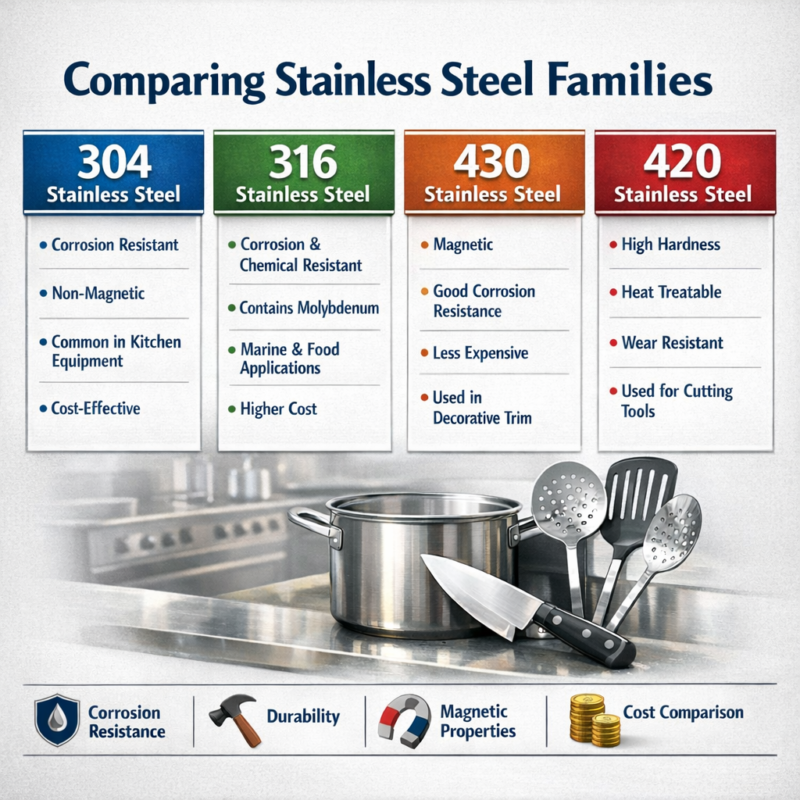
Austenitic Grades (300 Series): The Workhorse
When we talk about commercial grade stainless steel in the restaurant industry, we’re very often talking about austenitic grades, specifically the 300 series. This family is by far the most popular and widely used globally, and for good reason. Austenitic stainless steels are known for their “excellent corrosion” resistance, high formability, and superior weldability, making them incredibly versatile.
The undisputed champion within this family for commercial kitchens is 304 stainless steel, often referred to as 18/8 stainless steel. This designation tells us its primary composition: 18% chromium and 8% nickel, along with about 0.8% carbon and roughly 50% iron.
This precise blend creates a material that is highly resistant to corrosion, easy to clean, and can withstand the humid environments prevalent in commercial kitchens. Its impressive tensile strength of approximately 621 MPa (90 ksi) means it can handle significant stress without deforming, which is essential for items like work tables and sinks.
We see 304 stainless steel extensively used in our Stainless Steel Pans for Commercial Kitchens and other heavy-use equipment.
For environments that demand even greater corrosion resistance, particularly against chlorides, we turn to 316 stainless steel. This grade shares a similar composition with 304 but with a crucial addition: 2-3% molybdenum. This molybdenum content provides superior resistance to pitting and crevice corrosion, making 316 an ideal choice for marine applications or projects that involve frequent exposure to salt or harsh sanitizers.
While its tensile strength (579 MPa) and maximum use temperature (800°C) are slightly lower than 304, its improved chloride resistance makes it invaluable in specific, demanding settings. For a deeper dive into these popular grades, you can explore resources like 18/8 vs. 316 vs. 304 Stainless Steels: What Are the Differences?.
Ferritic & Martensitic Grades (400 Series): Specific Uses
While austenitic steels are the stars of the show for many commercial applications, ferritic and martensitic grades from the 400 series play vital supporting roles, offering unique properties for specific uses.
Ferritic stainless steels, such as 430 stainless steel (often labeled 18/0), contain 18% chromium but virtually no nickel. This makes them more cost-effective than austenitic grades. They offer good corrosion resistance, especially to nitric acid, and are magnetic, which can be an advantage for certain induction cooking applications.
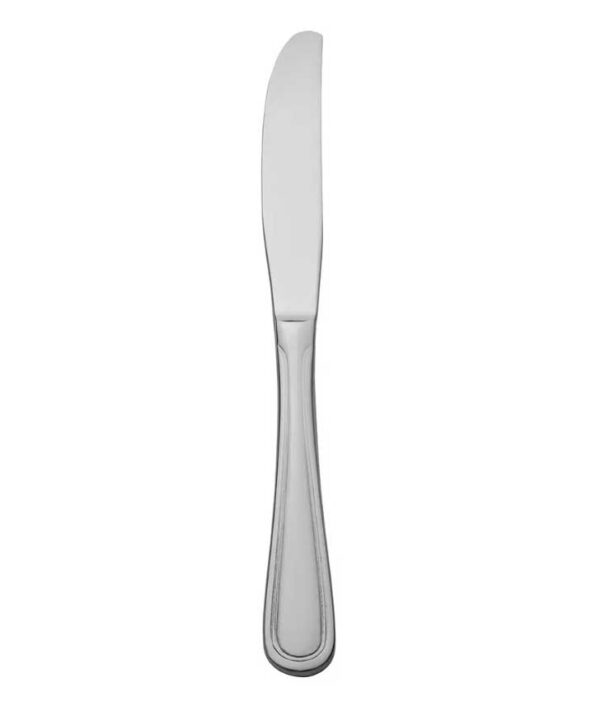
However, they are generally less ductile and have lower strength compared to 304. We often see 430 stainless steel used for mid-grade flatware, smaller capacity hollowware items like teapots, and decorative trim where the highest corrosion resistance isn’t critical, or where cost-effectiveness for high-turnover items is a priority.
In a busy restaurant, where flatware sometimes accidentally gets “bussed out,” 18/0 offers a more budget-friendly replacement.
Martensitic stainless steels are another specialized group. These grades, like 410 or 420, are known for their high strength and hardness, making them ideal for applications requiring a precise, hardened edge. While their corrosion resistance is generally lower than that of austenitic grades, their ability to be heat-treated and hardened makes them the leading choice for cutlery.
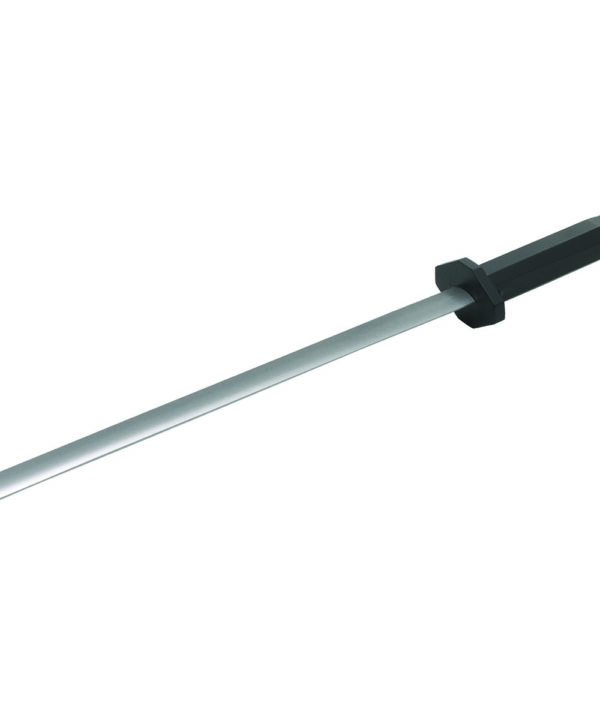
Think of those sharp knives and sturdy scissors in your kitchen—they’re likely made from martensitic stainless steel. At Restaurant Headquarters, we provide Stainless Steel Commercial Kitchen Cutlery that leverages the strength of these specialized steels.
[TABLE] Comparing Common Commercial Steel Grades
Let’s take a look at how some of the most common commercial grade stainless steel alloys stack up against each other:
| Grade | Composition (Cr, Ni, Mo) | Key Property | Common Use | Cost Index (Relative) |
| 304 (18/8) | 18% Cr, 8% Ni | Excellent all-around corrosion resistance, high strength, non-magnetic, highly formable | Food prep surfaces, sinks, cookware, general kitchen equipment | $$$ |
| 304L | 18-20% Cr, 8-12% Ni, (low carbon) | Better weldability, reduced carbide precipitation | Welded components, chemical process vessels | $$$ |
| 316 | 16-18% Cr, 10-14% Ni, 2-3% Mo | Superior chloride corrosion resistance, higher heat resistance | Marine environments, chemical processing, high-salt food processing | $$$$ |
| 430 (18/0) | 18% Cr, 0% Ni | Good general corrosion resistance, magnetic, cost-effective | Flatware, appliance trim, decorative applications | $$ |
| 420 | 12-14% Cr, ~0.5% Ni, (high carbon) | High hardness and strength when heat-treated | Cutlery, knives, surgical instruments | $$$ |
Note: Cost Index is relative and can vary based on market conditions and specific product forms.
The Importance of Gauge in Commercial Grade Stainless Steel
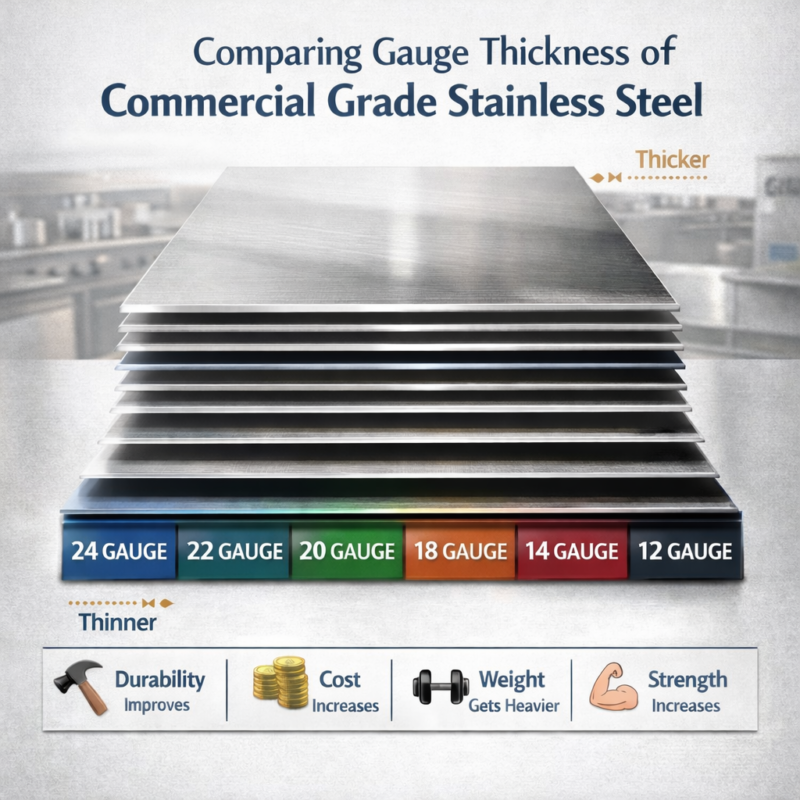
Beyond the specific grade and its chemical composition, another critical factor in selecting commercial grade stainless steel is its “gauge.” Gauge refers to the thickness of the steel, and in the United States, it operates on an inverse relationship: a lower gauge number indicates a thicker piece of steel.
This might seem counterintuitive at first, but it’s an industry standard we’ve all come to understand. So, a 14-gauge stainless steel sheet is significantly thicker and more robust than an 18-gauge sheet.
Why does this matter so much in a commercial setting? Thicker steel means greater durability and resistance to dents, warping, and damage from heavy use.
In a busy kitchen in Dallas, where equipment undergoes constant impact, heavy loads, and rigorous cleaning, the gauge of your stainless steel can be the difference between a piece of equipment lasting years or needing premature replacement. It directly impacts the longevity and structural integrity of your investment.
Restaurant Headquarters typically stocks a range of gauges from 24 to 12. We’ve seen how choosing the right gauge can save our clients time and money in the long run.
Choosing the Right Gauge for Your Equipment
When it comes to high-traffic, heavy-duty applications, we always recommend opting for a lower gauge number. For example, for work tables, countertops, and especially sinks—areas that experience constant impact, heat, and heavy loads—we suggest 14-gauge or 16-gauge stainless steel. These thicknesses provide the necessary structural integrity and resistance to deformation.
Consider a busy dishwashing station: a Stainless Steel 3 Compartment Sink needs to withstand heavy pots, hot water, and constant scrubbing. A 14-gauge sink will hold up far better than a thinner one, resisting dents and maintaining its shape over years of service.
Similarly, a prep table made from 16-gauge stainless steel will absorb impacts from dropped knives and heavy mixing bowls without showing signs of wear and tear, ensuring a stable and reliable work surface for your culinary team.
Lighter Gauges for Specific Applications
While thicker gauges are crucial for structural components and high-impact surfaces, not every application requires maximum thickness. For equipment housing, wall panels, backsplashes, and shelves that don’t bear heavy loads or face direct impact, lighter gauges like 18-gauge or 20-gauge stainless steel are often suitable and more cost-effective.
For instance, a Stainless Steel Wall Shelf designed for storing lighter items like spices or small utensils can perform perfectly well in 18-gauge. Backsplashes, which primarily serve aesthetic and hygienic purposes without enduring physical stress, can be made from 24-gauge stainless steel.
These lighter options still provide the essential corrosion resistance and ease of cleaning that commercial grade stainless steel is known for, but at a reduced material cost, allowing you to allocate your budget wisely across your entire kitchen setup.
It’s all about balancing durability with the specific demands of each piece of equipment.
Why Stainless Steel Reigns Supreme in Commercial Applications
In the demanding world of commercial operations, from busy restaurant kitchens in Dallas to expansive food processing plants, the choice of materials is not just a preference—it’s a critical business decision.
Commercial grade stainless steel doesn’t just “fit in”; it reigns supreme as the material of choice, offering a combination of properties that are best by other options. Its widespread adoption is a testament to its inherent advantages in efficiency, cleanliness, and long-term value.
One of the most significant advantages is its contribution to hygiene and sanitation. In any commercial space where food is handled, cleanliness is paramount. Unlike regular steel or even certain plastics, stainless steel’s non-porous surface is a game-changer. This smooth, impenetrable barrier prevents the absorption of bacteria, odors, and food particles, making it incredibly easy to clean and sanitize.
A quick wipe-down can effectively remove contaminants, significantly reducing the risk of cross-contamination and ensuring a hygienic environment, which is crucial for meeting health codes and protecting your customers.
Common Applications for Commercial Grade Stainless Steel
The versatility of commercial grade stainless steel means you’ll find it almost everywhere in a professional setting. Its ability to withstand harsh conditions, resist corrosion, and maintain hygiene makes it indispensable across various industries.
Here are some of its most common applications:
- Foodservice Kitchens: This is perhaps its most recognizable domain. From prep tables, countertops, and sinks to ovens, refrigerators, and range hoods, stainless steel is everywhere. We use it in our Stainless Steel Commercial Kitchen Supplies, including Stainless Steel Skimmers, Stainless Steel Colanders, and Stainless Steel Mixing Bowls.
- Food Processing Plants: Large-scale operations rely on stainless steel for conveyor belts, processing vats, storage tanks, and cutting equipment due to its sanitation and resistance to food acids and cleaning chemicals.
- Medical and Pharmaceutical Facilities: Sterilization is key here, and stainless steel’s non-porous, easy-to-clean surface is ideal for surgical instruments, laboratory equipment, and cleanroom fixtures.
- Laboratories: Work surfaces, fume hoods, and storage cabinets benefit from its chemical resistance and ease of maintenance.
- Architectural Elements: Beyond functionality, stainless steel offers a sleek, modern aesthetic. It’s used for building facades, handrails, and decorative elements in commercial spaces.
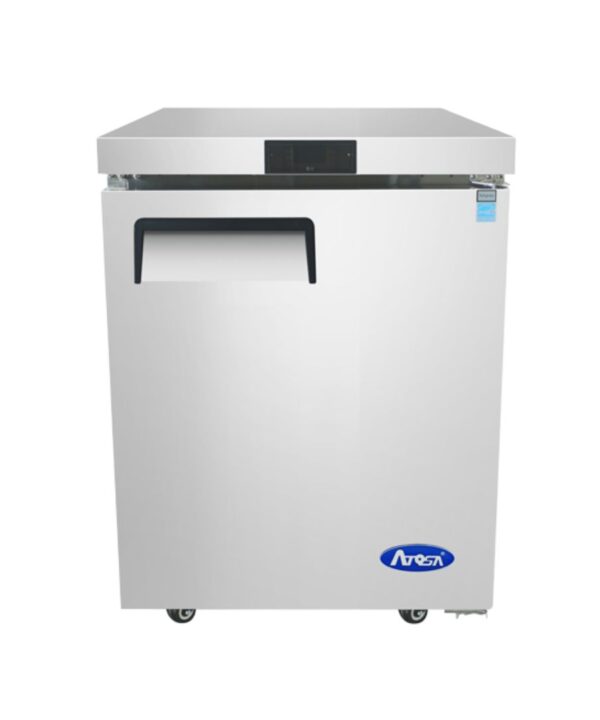
- Restaurant Equipment: Everything from Stainless Steel Commercial Refrigeration Equipment to Stainless Steel Commercial Ice Machines and Stainless Steel Restaurant Storage Supplies.
- Tabletop & Bar Supplies: Our inventory includes Stainless Steel Beverage Servers, Stainless Steel Bar Shakers, and Stainless Steel Dinnerware for Restaurants.
These grades are preferred because they offer the perfect balance of durability, hygiene, and chemical resistance needed for these critical applications, ensuring a long service life and compliance with stringent health regulations.
Durability and Aesthetic Appeal
Beyond its hygienic properties, commercial grade stainless steel is celebrated for its incredible durability. It’s tough, resisting dents, scratches, and damage from the constant wear and tear of a busy commercial environment. This resilience means less frequent replacement, translating into significant cost savings over time. It also excels in demanding conditions, easily withstanding high temperatures from cooking equipment and the thermal shock from rapid heating and cooling.
But it’s not all about brawn; stainless steel also brings beauty to the table. Its sleek, professional look is a hallmark of modern commercial spaces. Available in various finishes—from brushed and satin to polished and mirrored—it can be customized to fit any aesthetic.
A brushed finish, for instance, is excellent for hiding fingerprints and smudges on guest-facing items like Stainless Steel Restaurant Furniture, maintaining a clean appearance even during peak hours. This blend of robust functionality and refined appearance makes commercial grade stainless steel an unparalleled choice for any business aiming for both efficiency and elegance.
Investing in Quality: Cost, Care, and Long-Term Value
When equipping a commercial establishment in Texas, the initial cost of commercial grade stainless steel might seem higher than other materials like aluminum, plastic, or wood. However, we’ve learned over decades of experience that this upfront investment is quickly overshadowed by its long-term value proposition.
Think of it as planting a sturdy tree rather than a fragile seedling; it requires more initial effort but promises years of bountiful returns. The lifespan of stainless steel equipment far exceeds that of less durable alternatives, drastically reducing replacement costs and the hassle associated with frequent repairs. It’s a strategic investment that pays dividends in operational efficiency and peace of mind.
For example, while 18/0 stainless steel (without nickel) is a more affordable option for high-turnover items like flatware, its 18/8 counterpart (with nickel) offers superior durability and luster for items like cookware and serving dishes, ensuring they stand the test of time.
This thoughtful selection based on application demonstrates how strategic material choice can optimize both cost and performance.
Maintenance and Care for Longevity
One of the unsung heroes of commercial grade stainless steel is its ease of maintenance, directly contributing to its longevity and performance. Because of its non-porous surface, cleaning is straightforward and effective. Daily cleaning practices typically involve wiping surfaces with mild detergents and warm water, followed by a rinse and dry to prevent water spots.
To truly ensure its pristine condition and extend its life, we recommend using cleaners specifically formulated for stainless steel. These products help maintain the protective chromium oxide layer and prevent streaking.
It’s crucial to avoid abrasive materials like steel wool, harsh scouring pads, or chlorine-based cleaners, as these can scratch the surface or break down the passive layer, making the steel susceptible to corrosion.
For stubborn stains or to restore its luster, specialized stainless steel polishes can be applied. While minor scratches can occur with heavy use, proper care minimizes visible wear and keeps the equipment looking professional.
The Financial Sense of High-Grade Steel
The financial benefits of investing in high-grade commercial grade stainless steel extend far beyond reduced replacement costs. Its inherent durability means fewer repairs and less downtime, keeping your operations running smoothly.
This reliability is vital for compliance with stringent health codes, preventing costly fines and potential business interruptions. In a competitive market like Texas, maintaining a stellar reputation for cleanliness and quality is priceless, and stainless steel contributes significantly to that image.
Choosing commercial grade stainless steel is a smart business decision that protects your investment, improves operational efficiency, and safeguards your brand. It’s a testament to how 4 Ways Metal Fabrication Can Benefit Your Restaurant by providing robust, long-lasting solutions.
The long service life you get from corrosion-resistant equipment ensures that acids and bases won’t prematurely ruin your cookware, saving you money and stress. This commitment to quality in materials helps recession-proof your restaurant, ensuring your equipment performs reliably day in and day out.
Your Partner in Custom Stainless Steel Solutions
As we’ve explored, commercial grade stainless steel stands as an indispensable material in the commercial world, offering an unrivaled combination of durability, hygiene, and long-term value.
From the nuanced differences between austenitic, ferritic, and martensitic grades to the critical impact of gauge on structural integrity, making informed choices is paramount for any business owner in Texas. The right selection ensures compliance, operational efficiency, and a significant return on investment.
At Restaurant Headquarters, we don’t just understand commercial grade stainless steel; we live and breathe it. As Dallas’s #1 Restaurant Construction & Design-Build Company, our in-house team handles everything from ground-up builds to full restaurant fit-outs and remodels.
Our 45,000 sq ft facility is a testament to our commitment to delivering turnkey solutions, including custom millwork and state-of-the-art metal fabrication. We pride ourselves on crafting custom solutions for any space, ensuring that every piece of equipment, every surface, and every fixture meets the highest standards of quality and functionality.
Whether you’re opening a new restaurant, expanding an existing one, or simply upgrading your kitchen equipment, the art of The Art of Stainless Steel Fabrication is where our expertise shines. We’re here to save you time, money, and headaches by providing top-tier products and services right here in Texas.
For expert consultation on your next project, explore our custom metal fabrication services and find how Restaurant Headquarters can help you build a foundation of excellence with commercial grade stainless steel.