


















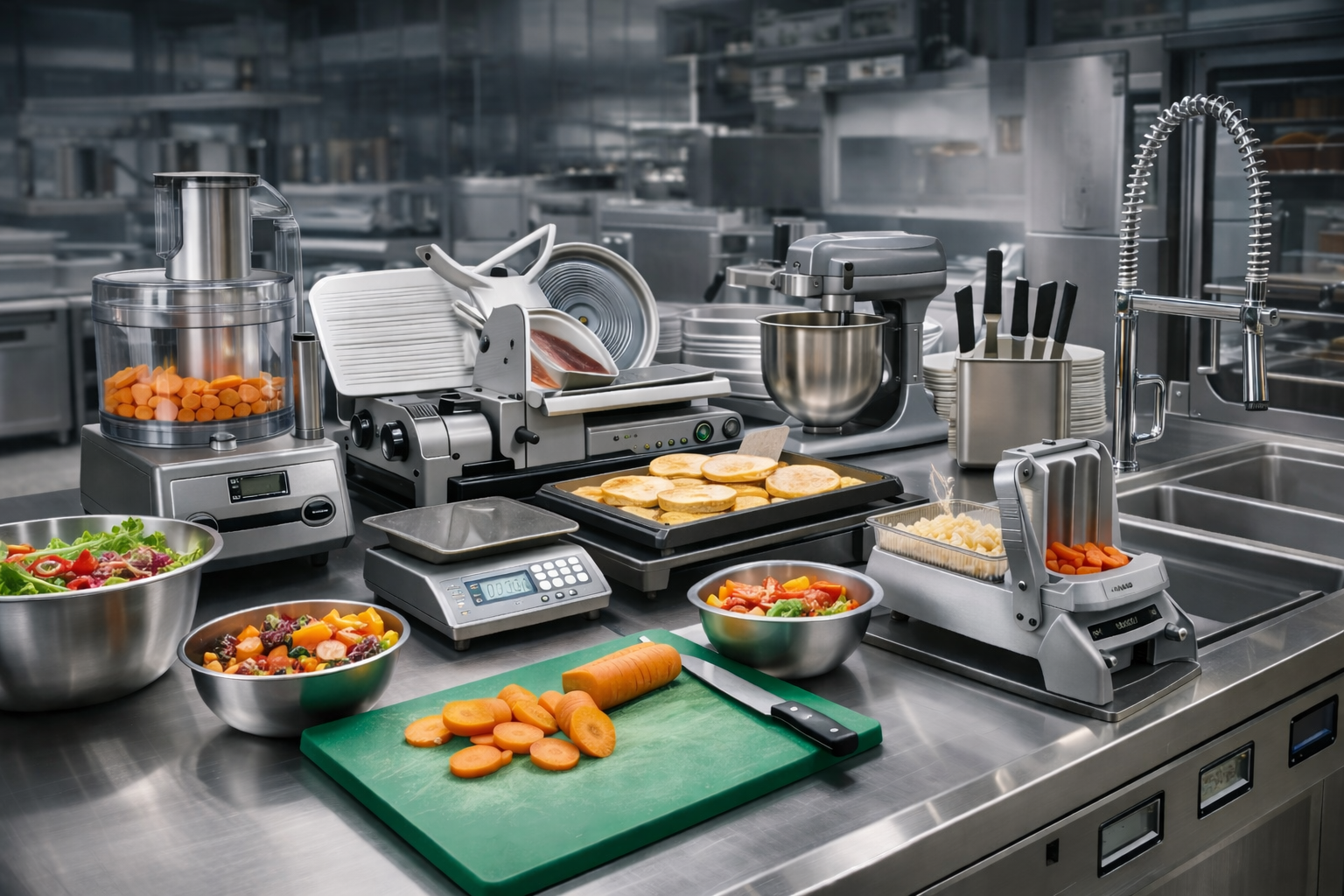
Commercial food prep is the backbone of any successful restaurant operation. Here’s what you need to know:
Essential Commercial Food Prep Equipment Categories:
- Prep Tables – Refrigerated and non-refrigerated work surfaces (sandwich, pizza, salad stations)
- Mixers – Planetary and spiral models for dough, batter, and bulk mixing
- Slicers – Manual and automatic units for consistent meat and vegetable cuts
- Food Processors – Bowl-style and continuous-feed models for chopping, dicing, and shredding
- Specialty Equipment – Scales, can openers, grinders, and garnishing tools
Key Selection Factors:
- Material quality (stainless steel grades)
- Capacity and power requirements
- Energy efficiency (ENERGY STAR rated)
- Maintenance and cleaning ease
The commercial food equipment market is booming—valued at $39.5 billion in 2023 and projected to reach $61.8 billion by 2032. This growth isn’t random. Restaurant owners and operators have figured out that the right food prep equipment directly impacts their bottom line through faster service, reduced labor costs, and consistent quality.
But here’s the challenge: Most kitchens are equipped with whatever was cheapest or available, not what actually works best for their specific needs.
The difference between a struggling kitchen and a profitable one often comes down to how food prep is handled. When your team spends hours chopping vegetables by hand or struggles with underpowered mixers that can’t keep up with demand, you’re losing money every single shift.
When equipment breaks down because it wasn’t built for commercial use, you’re paying for repairs and lost revenue.
Smart operators know that proper commercial food prep equipment pays for itself through improved efficiency, reduced food waste, and better consistency. A commercial-grade food processor that dices 50 pounds of onions in minutes versus an hour of manual labor.
A refrigerated prep table that keeps ingredients at safe temperatures while maximizing workflow. A heavy-duty mixer that handles 60-quart batches without breaking down.
The global commercial kitchen equipment market is growing at 6.7% annually for a reason—this equipment works, and operators who invest wisely see real returns.
I’m William Chen, CEO of Restaurant Headquarters, and over the past decade I’ve equipped more than 1,000 commercial kitchens across Texas with the right commercial food prep solutions. Through our design-to-build approach, I’ve seen how the right equipment transforms kitchen efficiency and profitability.
The Foundation: Choosing the Right Commercial Food Prep Tables
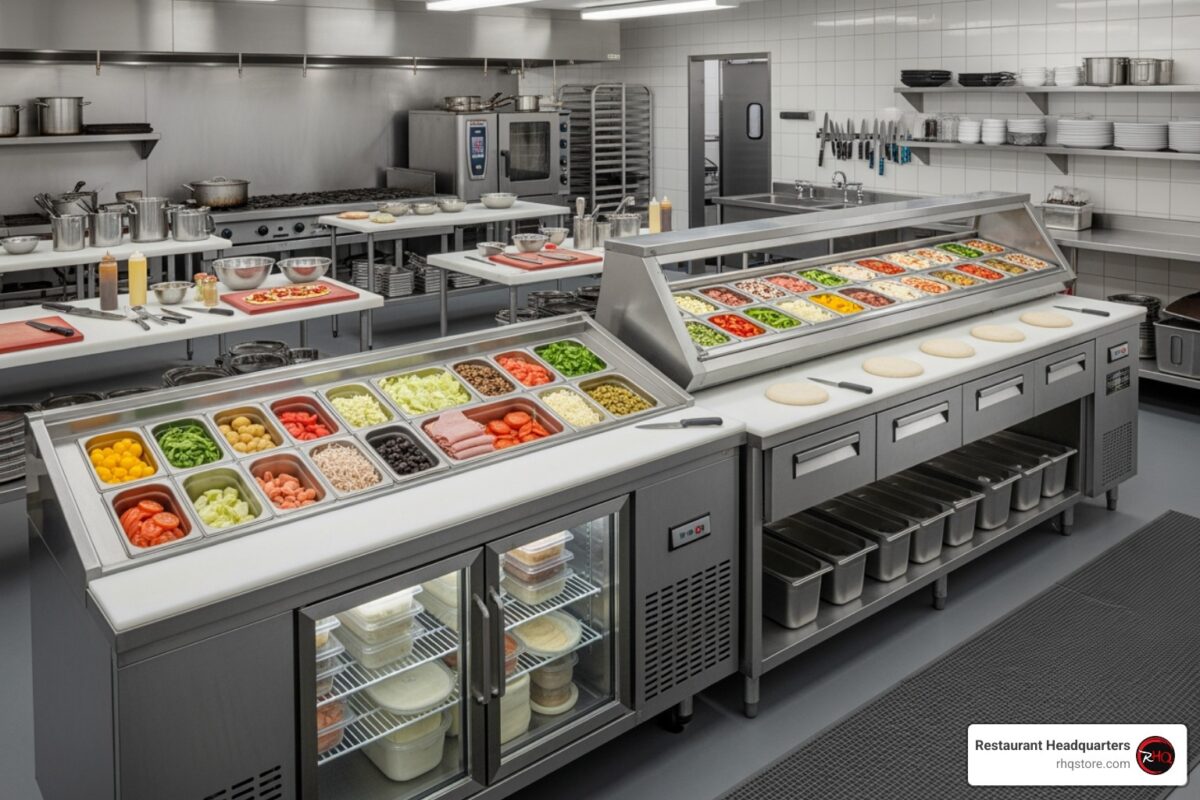
In any busy commercial kitchen, the prep table isn’t just a surface; it’s the command center for culinary creation. From a straightforward work table to a specialized refrigerated unit, selecting the right commercial food prep tables is foundational to your kitchen’s efficiency, hygiene, and overall workflow.
These tables are where ingredients are transformed, assembled, and organized before their final journey to the cooking line or directly to the customer.
Types of Prep Tables and Their Uses
The world of commercial food prep tables offers remarkable versatility, designed to streamline specific tasks:
- General Use Work Tables: These are the unsung heroes of the kitchen. Typically made of stainless steel, they provide a durable, hygienic surface for general chopping, mixing, and assembly. They’re essential for any task that doesn’t require immediate refrigeration.
- Sandwich/Salad Prep Units: Imagine a chef crafting a perfect sandwich or salad, with every ingredient at their fingertips and kept at a safe temperature. These units feature a refrigerated base with a shallow rail on top for holding numerous small pans of ingredients like chopped vegetables, cheeses, and deli meats. A cutting board typically runs along the front, creating an efficient assembly line.
- Pizza Prep Tables: Similar to sandwich/salad units but often deeper, pizza prep tables are designed with a larger top rail to accommodate bigger ingredient pans and a wider cutting surface for assembling pizzas. The refrigerated base keeps dough, sauces, and toppings fresh and ready. Some even come with mega top options, offering an extra row of ingredient pans for even greater capacity.
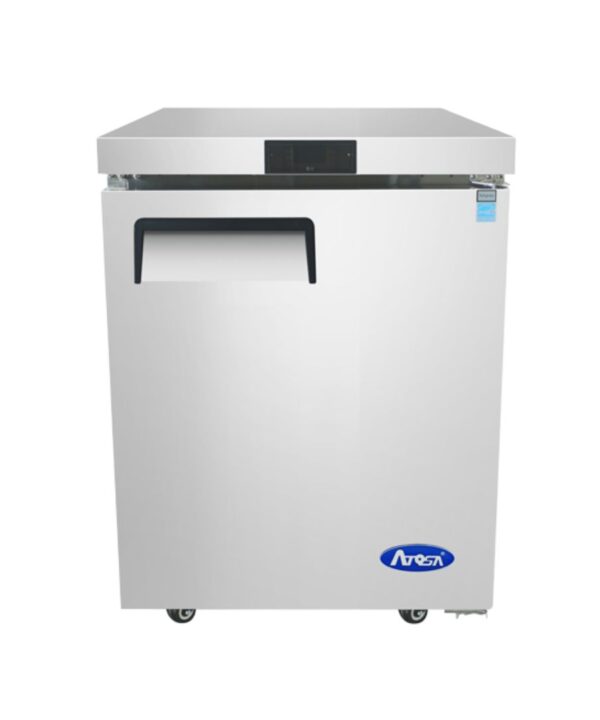
- Refrigerated Bases: These are essentially under-counter refrigerators with a sturdy worktop. They provide convenient cold storage directly at the point of prep, reducing steps and keeping frequently used ingredients chilled.
- Mega Top Units: An improved version of sandwich/salad or pizza prep tables, mega top units feature an extended top rail that allows for a greater number of ingredient pans. This is ideal for high-volume operations or menus with extensive topping options, reducing the need for constant refilling.
Each type serves a crucial role in optimizing kitchen workflow, ensuring that ingredients are organized, accessible, and maintained at safe temperatures throughout the preparation process.
Key Features to Consider
When investing in a commercial food prep table, it’s not just about what it looks like. It’s about how it performs under pressure. Here are the key features we guide our Texas clients to consider:
- Size and Dimensions: This is paramount. Measure your available space carefully. Consider the flow of your kitchen and how the table will integrate with other equipment and workstations. A table that’s too large can obstruct movement, while one that’s too small can hinder efficiency.
- Material: While we’ll dive deeper into stainless steel, know that the material of your table’s surfaces is critical for durability and hygiene.
- Refrigeration Options: For units requiring cold storage, evaluate the type of refrigeration (e.g., forced air, cold wall) and its temperature range. Ensure it can consistently hold ingredients at or below 40°F (4°C) to prevent bacterial growth. Look for energy-efficient models.
- Drawer vs. Door Configurations: Refrigerated bases can come with drawers or doors. Drawers are excellent for organizing smaller items and provide quick access without exposing the entire compartment to warm air. Doors offer larger storage capacity for bulkier items. Your menu and storage needs will dictate the best configuration.
- Cutting Board Material: Most prep tables come with a cutting board. High-density polyethylene (HDPE) is common due to its durability, ease of cleaning, and resistance to knife scoring. Ensure it’s removable for thorough cleaning.
- Backsplash: A backsplash is crucial for preventing food and liquids from splashing onto walls or other equipment, maintaining hygiene, and simplifying cleanup.
Why Stainless Steel is King
When it comes to commercial food prep tables and much of your kitchen equipment, stainless steel isn’t just a preference; it’s practically a requirement. Here’s why this material reigns supreme in our Dallas, Plano, and Garland kitchens:
- Durability and Longevity: Commercial kitchens are tough environments. Stainless steel, particularly grades like 304, is incredibly robust. It resists dents, scratches, and the general wear and tear of daily heavy use, ensuring your investment lasts for years.
- Non-Porous Surface: Unlike wood or some plastics, stainless steel has a smooth, non-porous surface. This means it doesn’t absorb liquids, food particles, or bacteria, making it inherently hygienic.
- Hygiene and Sanitation: Because it’s non-porous and easy to clean, stainless steel is ideal for maintaining the stringent sanitation standards required in food service. It helps prevent cross-contamination and the spread of foodborne illnesses.
- Resistance to Corrosion: Stainless steel is highly resistant to rust and corrosion, even when exposed to moisture, acidic foods, and harsh cleaning chemicals, which are common in a kitchen.
- Ease of Cleaning: A simple wipe-down with appropriate cleaners is usually enough to keep stainless steel gleaming and sanitary. This ease of maintenance is a huge time-saver in a busy kitchen.
- Maintenance Practices: To ensure your stainless steel equipment maintains its pristine condition, regular cleaning with mild detergents and prompt drying is key. Avoid abrasive cleaners or steel wool, which can scratch the surface and compromise its integrity.
Essential Equipment for Your Commercial Food Prep Workflow
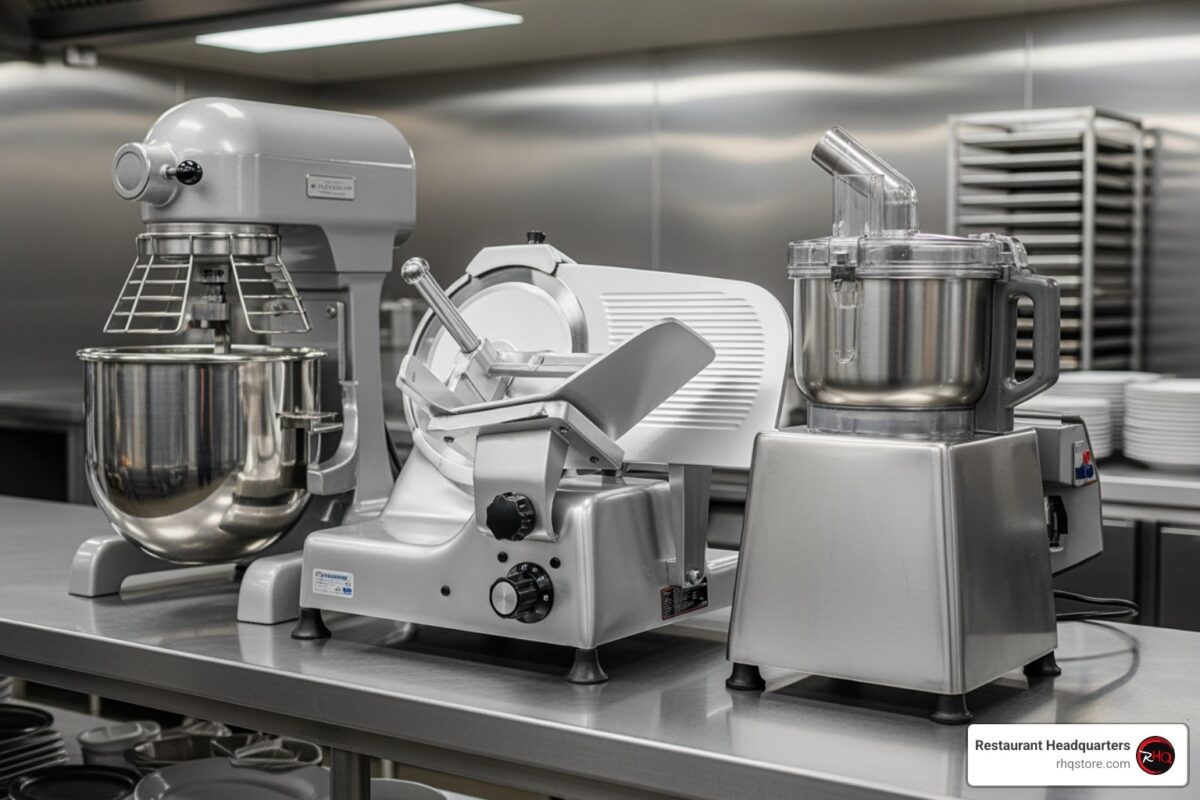
Beyond the foundational prep tables, specialized equipment is what truly lifts a commercial food prep station from good to great. Imagine trying to slice a hundred pounds of deli meat by hand, or knead dough for dozens of pizzas without mechanical assistance. It’s not just inefficient; it’s a recipe for burnout and inconsistent results. These tools bring efficiency, consistency, and safety to the forefront, allowing your team in Irving, Flower Mound, or anywhere in North Texas to work smarter, not harder.
Commercial Mixers: Power and Precision
Commercial mixers are the workhorses of many kitchens, especially those involved in baking, pastry, or high-volume sauce production. The food preparation equipment market is segmented into mixers, slicers, food processors, and others, with mixers holding the largest market share in 2023. This isn’t surprising given their versatility:
- Planetary Mixers: These are the most common type, named for how their agitator moves like a planet orbiting the sun, reaching all parts of the bowl. They are incredibly versatile, ideal for everything from whipping cream and mixing batters to kneading dough and mashing potatoes. Capacities range widely, from compact 10-quart countertop models perfect for limited batch use, to robust 60-quart floor models for high-volume operations.
- Spiral Mixers: Specifically designed for dough, spiral mixers use a rotating bowl and a stationary spiral-shaped agitator. This gentle, yet thorough, action develops dough gluten efficiently without overworking it, making them a favorite for bakeries and pizzerias. They excel at handling large, stiff doughs that would challenge a planetary mixer.
- Capacity and Power: When selecting, consider your typical batch sizes. Centerline offers 10-quart and 20-quart mixers, suitable for specific kitchen needs. A 10-quart mixer might be perfect for occasional heavy dough mixing, while a 20-quart unit is better for multiple applications and regular heavy dough tasks. Look at the motor’s horsepower (HP) to ensure it can handle the toughest tasks without strain.
- Attachments: The true versatility of a mixer comes from its attachments. Here’s a list of common ones:
- Flat Beater: For general mixing, creaming, and mashing.
- Wire Whip: For aerating ingredients like egg whites, cream, and light batters.
- Dough Hook: For kneading heavy doughs like bread and pizza.
- Pastry Knife/Scraper: For cutting butter into flour for pastries.
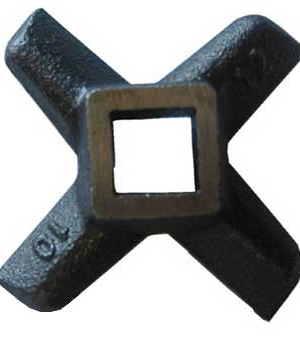
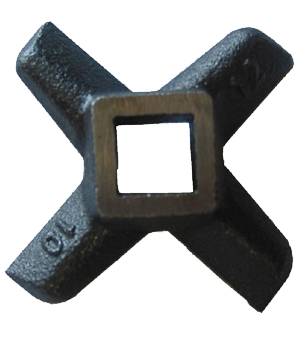
- Meat Grinder Attachment: Turns your mixer into a meat grinder.
- Vegetable Slicer/Shredder Attachment: For processing vegetables directly into the bowl.
Commercial Slicers: Consistency in Every Cut
Consistency is key in food presentation and portion control, and that’s where commercial slicers shine. Whether it’s thin-sliced deli meats or uniformly cut vegetables, a good slicer makes all the difference.
- Meat Slicers: Essential for delis, sandwich shops, and any kitchen preparing cold cuts. They come with various blade sizes (e.g., 12″, 13″) and motor powers (e.g., 1/2 hp, 3/4 hp). You can choose between manual gravity-feed models, where you push the carriage, or automatic models that operate independently, freeing up staff for other tasks.
- Vegetable Slicers: While some food processors can slice, dedicated vegetable slicers offer precision and speed for high volumes of produce.
- Blade Size and Material: Larger blades handle bigger products. Stainless steel blades are standard for hygiene and durability.
- Safety Guards: Safety is paramount. Look for models with robust blade guards, hand protection, and safety interlocks that prevent operation when components aren’t correctly assembled.
- Ease of Cleaning: Slicers have many crevices. Models with removable parts and smooth, easily accessible surfaces make cleaning much simpler, which is vital for preventing bacterial buildup.
- Medium-Duty vs. Heavy-Duty: Centerline’s EDGE series slicers are positioned as medium-duty, offering efficient, economical, and easy-to-clean solutions for various slicing needs. Heavy-duty slicers are built for continuous operation and large volumes.
Commercial Food Processors: The Ultimate Time-Saver
If there’s one piece of equipment that embodies the phrase “time is money” in a commercial kitchen, it’s the food processor. These machines speed up commercial food prep time significantly by quickly slicing, dicing, and shredding all types of food in seconds. The commercial food processor market is expected to grow at a CAGR of 5.5% from 2023 to 2028, highlighting their increasing importance.
- Bowl Style Processors: These are batch processors, where ingredients are placed in a sealed bowl with blades at the bottom. They are excellent for chopping, pureeing, emulsifying, and grinding. Capacities range from 2.5 quarts up to 9 quarts, suitable for various batch sizes.
- Continuous Feed Processors: Designed for high-volume, ongoing tasks, these processors have a chute where ingredients are fed, and the processed food exits into a separate container. They are ideal for tasks like shredding large quantities of cheese or slicing vegetables for a salad bar.
- Functions: Commercial food processors can perform a multitude of tasks: dicing, shredding, slicing, chopping, mincing, pureeing, and even mixing. They offer efficient, precise, and consistent results.
- Included Discs and Blades: Most come with a variety of interchangeable discs and blades for different cuts and textures, such as S-blades for chopping, slicing discs, and shredding discs.
To see the latest in food prep innovation, you can Watch Video Introducing Centerline, a new line of commercial food prep equipment.
Maximizing Your Investment in Commercial Food Prep
Investing in high-quality commercial food prep equipment isn’t just about buying tools; it’s about making a strategic decision that impacts your restaurant’s financial health and operational success. From Garland to Frisco, we understand that every dollar counts, and ensuring a strong return on investment (ROI) is paramount.
The ROI of Quality Commercial Food Prep Equipment
When you choose reputable brands and durable equipment, you’re not just buying a product; you’re buying peace of mind and long-term value.
- Benefits of Reputable Brands: Trusted manufacturers are industry leaders for a reason. They offer superior construction, reliable performance, and often, better warranties and customer support. Centerline equipment, for example, aims to provide Hobart-quality performance at an affordable price point, offering a 1-year Parts & Labor Warranty. This level of support ensures that if an issue arises, you have a partner to help resolve it quickly.
- Reduced Downtime: High-quality equipment is built to last and designed for continuous commercial use. This means fewer breakdowns, less need for costly repairs, and critically, less downtime that can halt your kitchen operations and lead to lost revenue.
- Warranty and Service: A robust warranty signals a manufacturer’s confidence in their product. Reputable brands also typically have more accessible service networks, ensuring that technicians are available when you need them.
- Long-Term Value: While the initial investment might be higher, the longevity, reliability, and efficiency of quality equipment translate into lower total cost of ownership over its lifespan. It is a smart investment that pays dividends.
For independent restaurants looking to empower themselves and tackle common industry challenges, you can Learn More Empowering Independent Restaurants.
How Equipment Boosts Your Bottom Line
The impact of quality commercial food prep equipment on your profitability is multifaceted:
- Labor Cost Reduction: This is one of the most significant benefits. Machines can perform tasks like chopping, slicing, or mixing far faster and more consistently than manual labor. This allows you to reallocate staff to other critical areas, reduce overtime, or even operate with a leaner team. Investing in food prep solutions can significantly reduce staff’s time on food prep.
- Decreased Food Waste: Precision slicing, dicing, and portioning capabilities reduce waste from uneven cuts or spoilage. Vacuum sealers, for instance, significantly extend the shelf life of prepped ingredients, preventing food loss.
- Portion Control: Equipment like commercial scales ensures accurate portioning for every dish. This consistency not only improves customer satisfaction but also prevents over-portioning, which directly impacts food costs and profitability.
- Improved Ticket Times: Faster prep means faster service. When ingredients are prepped efficiently and consistently, the cooking line can operate more smoothly, leading to quicker order fulfillment and happier customers.
- Increased Output: High-volume equipment allows your kitchen to handle more orders without compromising quality, directly increasing your revenue potential.
- Profitability: All these factors—reduced labor, less waste, better portion control, faster service, and increased output—converge to significantly improve your restaurant’s overall profitability. Top-quality restaurant equipment is necessary for every business seeking higher productivity and reduced cost.
Essential Maintenance and Cleaning Practices
Even the best equipment needs love and care. Proper maintenance and cleaning are non-negotiable for ensuring the longevity, optimal performance, and hygienic operation of your commercial food prep equipment.
- Daily Cleaning Schedules: Implement strict daily cleaning protocols for all food-contact surfaces. This includes wiping down prep tables, disassembling and washing mixer bowls and attachments, and thoroughly cleaning slicer blades and food processor components after each use.
- Deep Cleaning Procedures: Beyond daily routines, schedule regular deep cleaning for all equipment. This might involve disassembling more components, using specialized cleaning agents, and reaching less accessible areas.
- Equipment Inspection: Make regular inspection a habit. Check for wear and tear, loose parts, frayed cords, or any signs of damage. Spotting problems early can prevent costly repairs and extend the life of your equipment.
- Manufacturer Guidelines: Always follow the manufacturer’s specific instructions for cleaning and maintenance. They often provide detailed guides for optimal care and troubleshooting.
- Sanitizing Food-Contact Surfaces: After cleaning, all food-contact surfaces must be properly sanitized to kill any remaining bacteria. Use approved sanitizers and ensure proper contact time.
- Longevity: Consistent cleaning and maintenance not only ensure food safety but also significantly extend the lifespan of your valuable equipment, protecting your investment.
Frequently Asked Questions about Commercial Food Prep
We often hear similar questions from restaurant owners and operators across Dallas and beyond. Here are some of the most common inquiries about commercial food prep and our expert answers.
What are the four fundamental steps of safe food preparation?
Food safety is incredibly important, affecting millions of people annually. The four fundamental steps in safe food preparation are:
- Clean: This is the most crucial step. Always wash your hands, utensils, and surfaces thoroughly before and after handling food. Clean fruits and vegetables under running water.
- Separate: Keep raw meat, poultry, seafood, and eggs separate from other foods, both in the refrigerator and during preparation, to prevent cross-contamination.
- Cook: Cook food to the appropriate internal temperatures to kill harmful bacteria. Use a food thermometer to ensure safety.
- Chill: Refrigerate perishable foods promptly (within two hours) and keep them at 40°F (4°C) or below to prevent the growth of harmful bacteria.
Following these steps carefully helps prevent foodborne illnesses and ensures the safety of your customers.
Why is energy-efficient equipment a smart investment?
Energy-efficient commercial food prep equipment is a smart investment for several compelling reasons:
- Reduced Utility Bills: ENERGY STAR-certified equipment is 10 to 50 percent more efficient than standard models. This directly translates into lower electricity bills, saving your business significant money over time.
- Lower Energy Consumption: In the U.S., about 40% of all energy consumption goes to powering homes and businesses. Opting for energy-efficient appliances, such as food processors, blenders, and immersion circulators, directly contributes to reducing this consumption.
- Environmental Benefits: Lower energy consumption also means a smaller carbon footprint, aligning your business with sustainable practices and appealing to environmentally conscious customers.
- Long-Term Cost Savings: While energy-efficient models might have a slightly higher upfront cost, the long-term savings on energy bills often make them a more economical choice over the equipment’s lifespan. Some even feature “quick start” buttons or “keep warm” functions that further optimize energy use.
What’s the difference between a commercial and residential food processor?
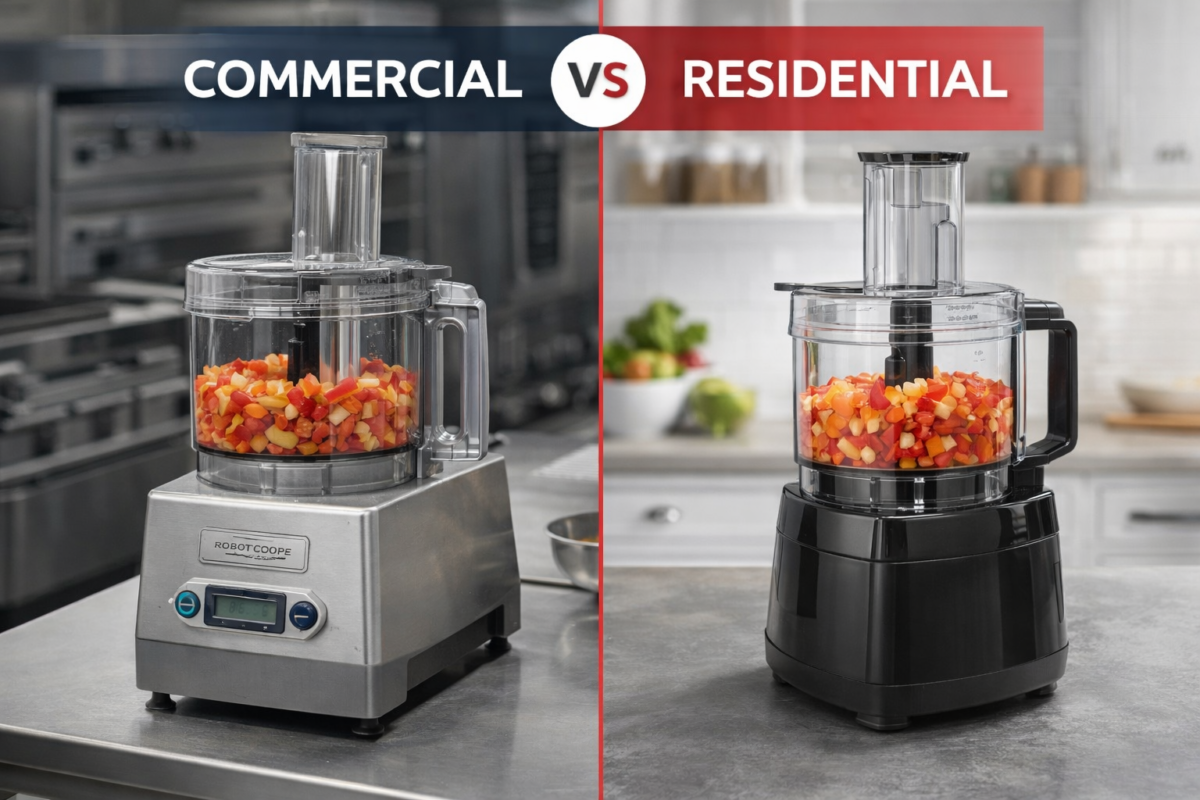
While they may look similar, commercial and residential food processors are built for entirely different demands:
- Durability: Commercial food processors are constructed with heavy-duty materials, often stainless steel, designed to withstand the rigors of continuous, high-volume use in a professional kitchen. Residential models are intended for intermittent use.
- Motor Power (HP): Commercial processors feature significantly more powerful motors (e.g., 3/4 HP to 2 HP) to handle tough ingredients and prolonged operation without overheating. Residential motors are much weaker (typically 1 to 2 amps compared to commercial blenders which are 8 to 16 amps).
- Capacity: Commercial units offer much larger capacities, with bowls ranging from 2.5 quarts up to 9 quarts, and continuous-feed options for even greater volume.
- NSF Certification: Commercial equipment often carries NSF certification, indicating it meets strict public health and safety standards for design, construction, and materials. This is not typically found on residential units.
- Designed for High-Volume Use: Commercial processors are built for speed, consistency, and efficiency in a busy kitchen, enabling tasks like dicing large quantities of vegetables in minutes. Residential processors would quickly burn out under such demands.
Designing Your Ultimate Food Prep Station
Equipping your commercial food prep station is more than just buying individual pieces of equipment; it’s about crafting a cohesive, efficient, and safe workspace that empowers your team and drives your business forward. We’ve seen across Dallas, Fort Worth, and all of North Texas how a thoughtfully designed prep area can transform a restaurant’s operations.
At Restaurant Headquarters, we don’t just sell equipment; we provide turnkey solutions. Our in-house team handles everything from construction and architecture to design and equipment supply. We understand the nuances of kitchen workflow, ergonomic design, and the specific challenges faced by restaurants in Texas. Whether you need custom millwork to integrate your prep tables seamlessly or a full fit-out of the latest energy-efficient equipment, we’re here to help.
The right commercial food prep setup ensures your kitchen runs like a well-oiled machine, minimizing waste, maximizing output, and ultimately contributing to your restaurant’s profitability. It’s an investment in your team, your product, and your bottom line.
For even more comprehensive options and to learn how we can help you design your ultimate prep station, visit our More info about commercial kitchen supplies page. Let us help you build a kitchen that’s ready for anything.